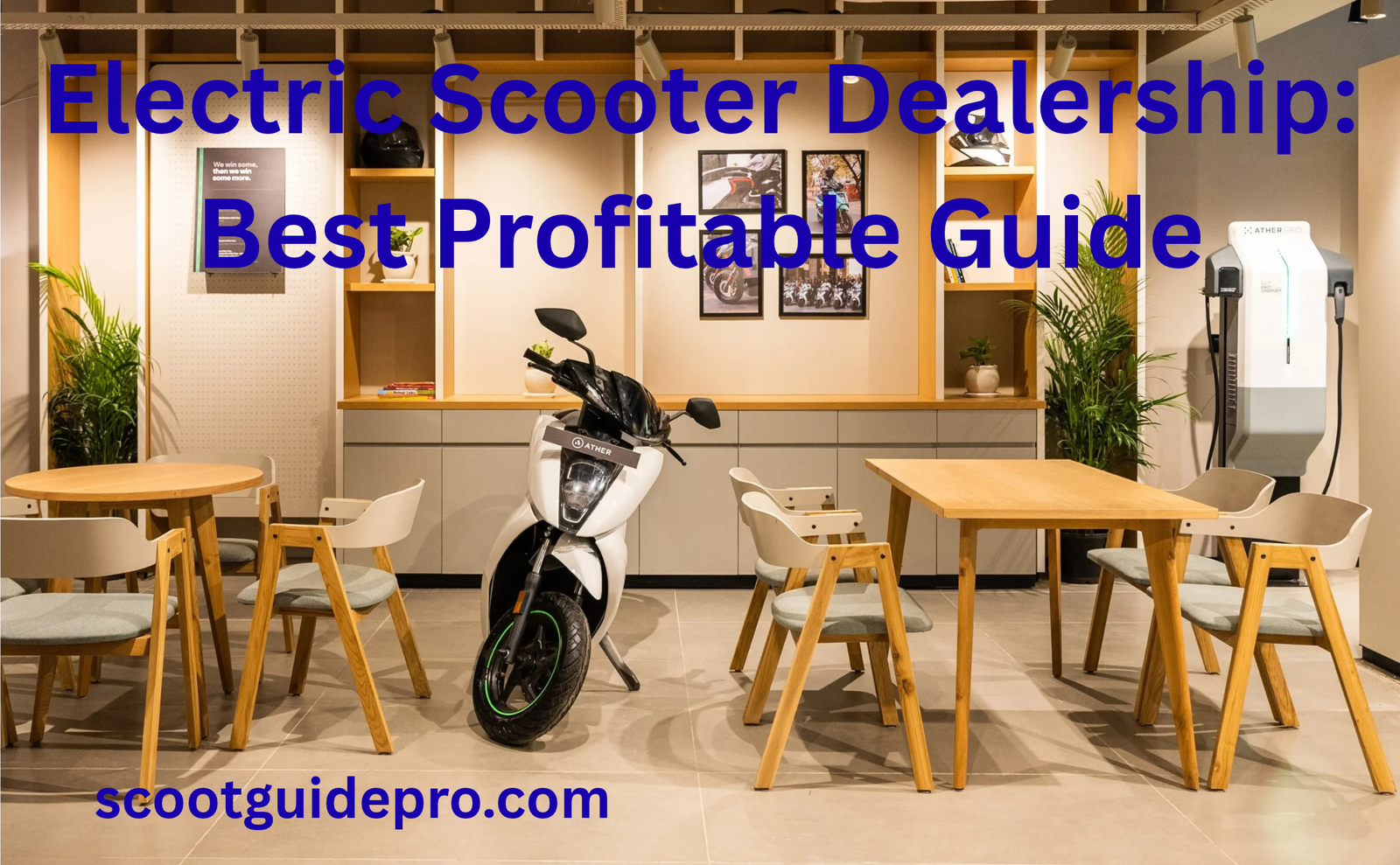
An electric scooter dealership is a business, physical or hybrid, that sells Electric Scooter Dealership and supports them after the sale with test rides, warranty handling, servicing, and spare parts. An authorized dealer does this with the manufacturer’s approval.
People search for this term for two reasons. Some want a reliable place to buy a Electric Scooter Dealership. Others want to open or join a dealership as a business.
This guide covers both. Part A helps buyers. Part B helps entrepreneurs.
Why the Dealership Matters More Than the Scooter Itself
A Electric Scooter Dealership is only as good as the support behind it. Batteries age, tires wear out, and controllers sometimes fail. When that happens, the dealer decides whether you get a fast fix or months of frustration.
Buying from a proper dealership usually means:
- A test ride before you commit
- A warranty that is actually honored locally
- Trained technicians and genuine spare parts
- Help with registration, insurance, and financing where required
Online retailers can be cheaper, but a missing service network is a risk. That is why many buyers choose a dealer even when the sticker price is slightly higher.
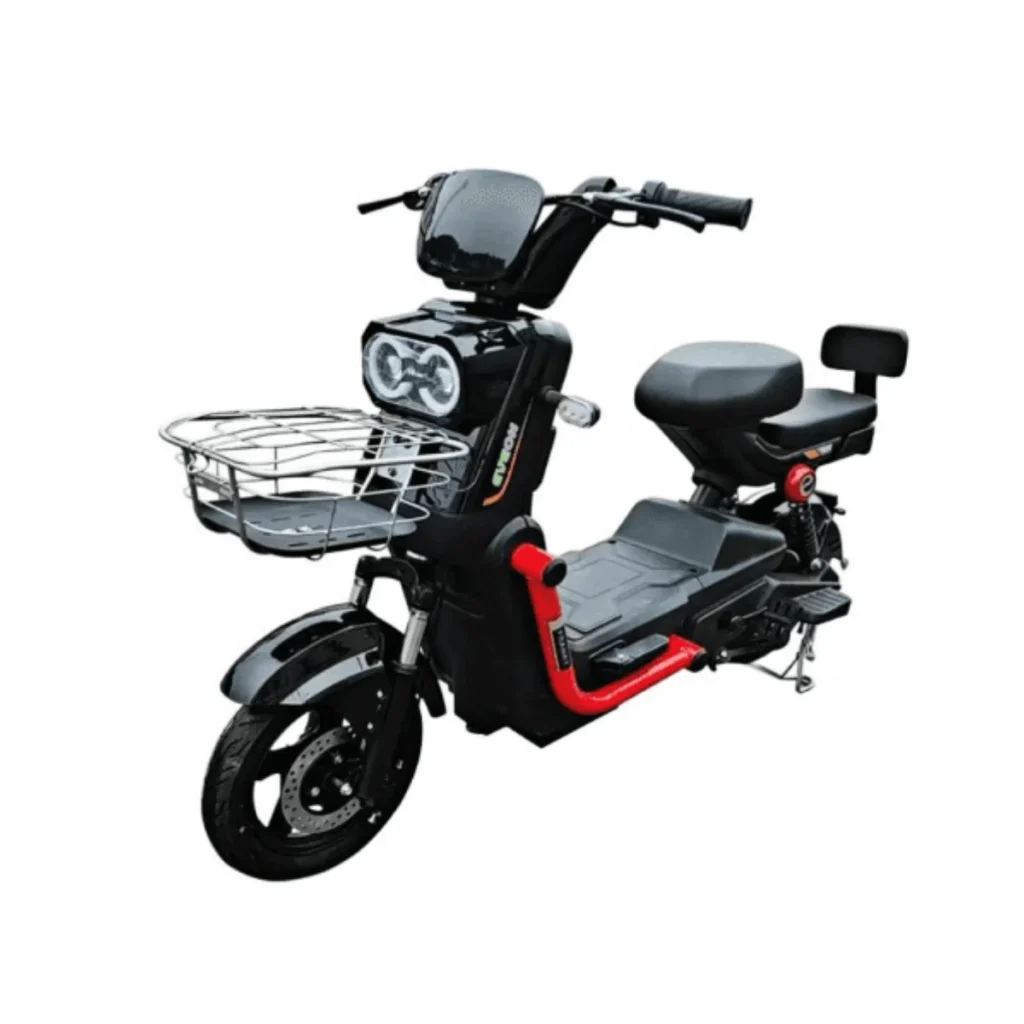
Types of Electric Scooter Dealerships
Not every dealer works the same way. Knowing the differences helps you set expectations.
| Type | What it is | Best for | Watch out for |
|---|---|---|---|
| Authorized dealer | Approved by the manufacturer to sell and service a brand | Warranty-backed purchases | May stock only one brand |
| Independent dealer | Sells and services without brand authorization | Multi-brand comparison, sometimes better pricing | Warranty may not be honored by the manufacturer |
| Multi-brand e-mobility store | Carries several brands, often with e-bikes too | Comparing models side by side | Service quality varies by brand |
| Powersports or motorcycle dealer | Traditional dealers that added scooter lines | Seated, moped-style e-scooters | Staff may know less about battery systems |
| Online-hybrid retailer | Sells online with local pickup or partner service | Convenience and price | Service depends on partner shops |
| Rental-to-retail shop | Started with rentals, now sells and services | Real-world tested models | Inventory may be limited |
Dealer, Distributor, or Franchise?
These terms get mixed up, especially by people exploring the business side.
| Dealer | Distributor | Franchise | |
|---|---|---|---|
| Sells to | End customers | Dealers and retailers | End customers under a brand system |
| Relationship | Dealership agreement with a brand | Supply contract, often regional | Licensed business model with fees |
| Typical focus | Showroom, service, local sales | Wholesale, logistics, territory | Brand-controlled operations |
A Note on Scooter Types
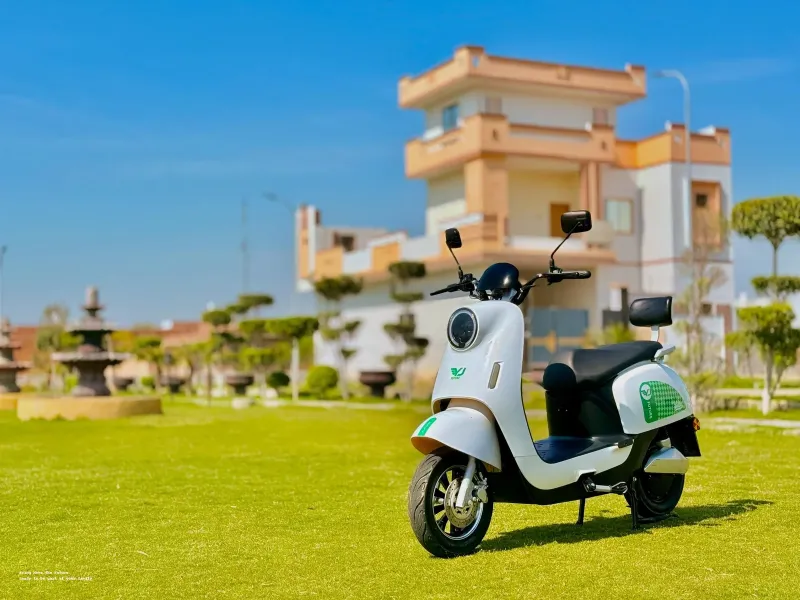
Search results for this topic often blur three different products. An Electric Scooter Dealership is a stand-up commuter device. A seated or moped-style Electric Scooter Dealership (sometimes called an e-moped) is closer to a small motorcycle and often needs registration. A Electric Scooter Dealership is a medical-style aid for people with limited mobility and is sold through different dealers.
Make sure the dealership you visit actually specializes in the category you want.
Part A: How to Choose an Electric Scooter Dealership
What Should You Look for in a Dealer?
Short answer: Choose a dealer who is authorized by the brand, offers test rides, handles warranty and repairs locally, and is clear about pricing, battery certification, and after-sales terms.
Here is a practical way to judge any Electric Scooter Dealership.
Step 1: Confirm Authorization
Ask for proof that the dealer is approved by the brand. This is often an authorization letter or a listing on the manufacturer’s official dealer locator.
Why it matters: warranty claims are usually processed through authorized channels. An unverified seller can leave you with a product nobody will cover.
Step 2: Ask for a Test Ride
You cannot judge ride quality, braking, or comfort from a spec sheet. A good dealership welcomes test rides and explains the controls, riding modes, and charging process.
If a dealer refuses or hesitates, treat that as a warning.
Step 3: Check the Service Setup
Look at the workshop, not just the showroom. Are there trained technicians? Is there a stock of common spare parts such as tires, brake pads, and chargers?
Ask how long a typical repair takes and whether loaner or replacement options exist.
Step 4: Understand the Battery and Safety Certification
The battery is the most expensive and most safety-critical part. Ask which safety standards the pack meets. Depending on the region, this might involve standards such as AIS-156 in India or UL 2272 for micromobility products in the United States.
Also ask about battery warranty length and what counts as normal capacity loss.
Step 5: Get the Full Price in Writing
Request a quote that includes the Electric Scooter Dealership, accessories, registration fees if applicable, delivery, and any dealer charges. Hidden fees are one of the most common buyer complaints.
Step 6: Compare Warranty Terms
Read the warranty fine print. Check:
- What is covered (motor, controller, battery, frame)
- How long each part is covered
- Whether the warranty transfers if you resell
- Whether using non-genuine parts voids it
Showroom Inspection Checklist
Take this list with you.
- Brand authorization displayed or provided
- Test ride offered
- Current models actually in stock, not just on display
- On-site or nearby service center
- Genuine spare parts available
- Battery safety certification explained
- Written quote with all fees
- Warranty document provided before payment
- Financing or trade-in options explained clearly
- Reasonable response to tough questions
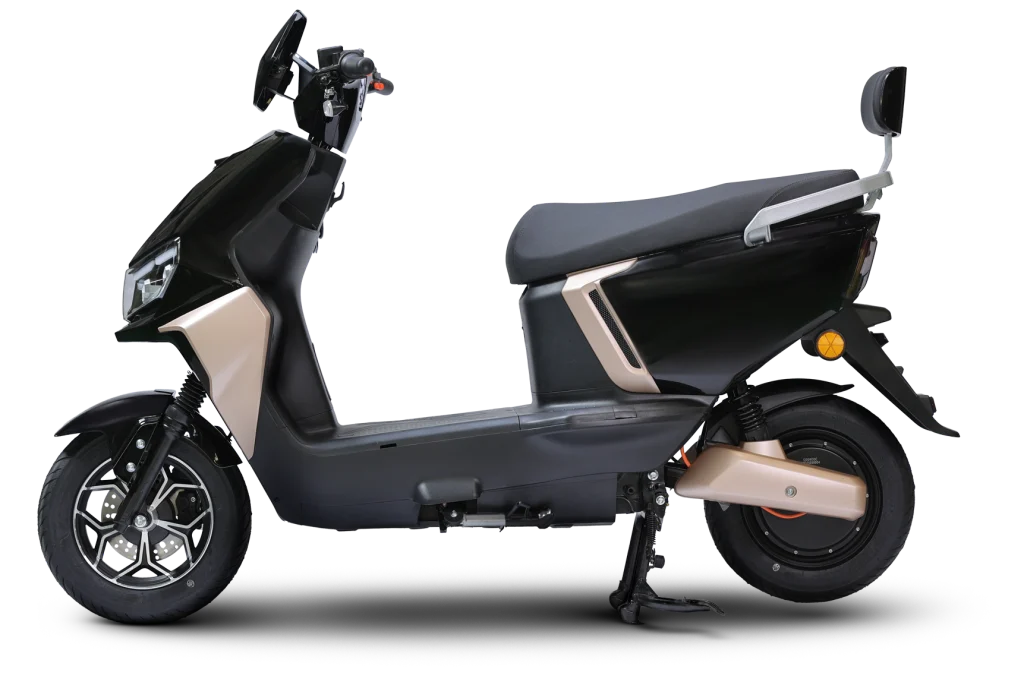
Red Flags to Avoid
- Prices far below every other dealer, which may indicate gray-market or non-warranty units
- Pressure to pay a large deposit before a test ride
- Vague answers about who handles warranty claims
- No physical address or service facility
- Reluctance to name the battery supplier or certification
- Reviews that all appear in one short burst with similar wording
Dealer vs. Online: Which Is Better?
| Factor | Local dealer | Online retailer |
|---|---|---|
| Test ride | Yes | Rarely |
| Price | Often slightly higher | Often lower |
| Warranty handling | Direct and local | May require shipping or third parties |
| Setup and fitting | Included or available | You assemble |
| Returns | Face to face | Depends on policy |
Who should choose a dealer: first-time buyers, anyone buying a higher-priced or seated model, and anyone without the tools or time for self-assembly.
Who might choose online: experienced riders buying a common model who have a trusted repair option nearby.
How to Find an Electric Scooter Dealer Near You
Searching Electric Scooter Dealership near me” is a good start, but the nearest showroom is not always the best choice.
Use this process:
- Check the manufacturer’s official dealer locator for your city or region.
- Search maps for “Electric Scooter Dealership showroom” plus your neighborhood.
- Open each business profile and compare hours, photos, and review quality.
- Call ahead and ask whether the model you want is in stock and available for a test ride.
- Visit at least two dealers before deciding.
Local conditions matter. Voltage and charger compatibility, local registration rules, and weather (hot climates and cold climates both affect batteries) can change what is the right choice in your area.
New vs. Refurbished From a Dealer
Some dealerships also sell certified refurbished Electric Scooter Dealership. These can offer real savings, but only when the dealer provides a clear inspection report, a replacement battery policy, and a warranty. Ask what was replaced and what was only cleaned.
Pricing and Financing
Electric Scooter Dealership prices vary enormously by market, brand, and type. A basic commuter kick Electric Scooter Dealership and a high-powered seated model sit in very different price brackets, and dealer pricing in one country can look nothing like another. Treat any number you see online as region-specific.
Typical cost components to ask about:
| Cost item | Usually included? |
|---|---|
| Scooter price | Yes |
| Taxes and duties | Varies by region |
| Registration and plates | Often extra |
| Insurance | Usually separate |
| Accessories (helmet, lock, mirrors) | Often extra |
| Delivery and setup | Varies |
Many dealers offer financing or installment plans. Compare the total repaid, not only the monthly figure, and check for early-repayment fees. If you have an old Electric Scooter Dealership, ask about trade-in value.
Part B: How to Become an Electric Scooter Dealership
Is an Electric Scooter Dealership a Good Business?
It can be, but results depend on location, brand strength, service quality, and how well you manage inventory. Margins, fees, and investment requirements differ by brand and country, so any figure you see should be confirmed directly with the manufacturer.
Who Can Apply?
Most brands accept applications from entrepreneurs, existing automotive or Electric Scooter Dealership retailers, and businesses wanting to add an e-mobility line. Typical requirements include a registered business, a suitable showroom or service space, and the ability to meet sales and service standards.
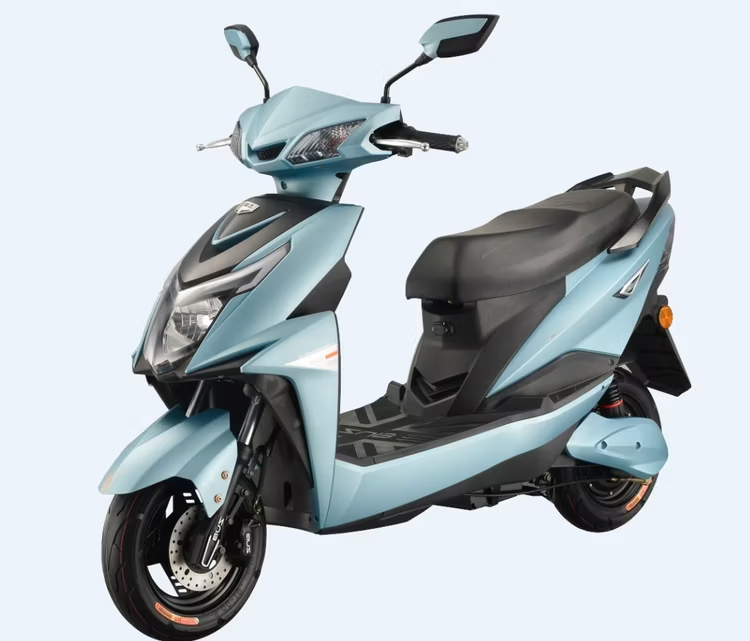
How to Get an Authorized Electric Scooter Dealership: Step by Step
- Research brands. Compare product range, battery quality, warranty policy, reputation, and how the brand supports dealers.
- Check the brand’s requirements. Look for minimum showroom size, staff training, stock commitments, and territory rules.
- Prepare your business plan. Include location, estimated investment, expected sales, and a service plan.
- Submit your application. Many brands have a dealer-inquiry form on their website.
- Review and negotiate the agreement. Pay close attention to territory exclusivity, target clauses, payment terms, and termination conditions.
- Set up the showroom and workshop. Arrange branding, inventory, tools, and technician training.
- Launch and market locally. Use local listings, test-ride events, and partnerships with commuters, delivery firms, and campuses.
What Does the Investment Cover?
Costs vary widely by brand and market. Components typically include:
- Showroom lease or fit-out
- Initial inventory
- Workshop tools and diagnostic equipment
- Staff hiring and training
- Licensing and registration
- Marketing and opening costs
- Working capital for slow months
Ask each brand for its dealer investment range in writing and compare it with your own estimates.
Questions to Ask the Brand Before Signing
- Who bears the cost of warranty repairs, and how fast are reimbursements?
- Are spare parts guaranteed to be available?
- Is my territory protected from other dealers or direct online sales?
- What training and technical support do you provide?
- What happens to unsold stock if the model is discontinued?
Risks to Plan For
- Inventory risk: slow-selling models tie up cash.
- Seasonality: sales may drop in cold or rainy months.
- Battery liability: a faulty pack can affect customer safety and reputation.
- Regulation changes: rules on speed limits, licensing, and certification can shift.
- Brand dependency: if the manufacturer struggles, your business is exposed.
Reduce these risks by keeping stock lean, building a strong service reputation, and considering a second compatible brand if your agreement allows it.
Alternatives to a Full Dealership
If a full showroom is too large a commitment, consider:
- Becoming a service partner only
- Starting as an online-plus-pickup reseller
- Running a rental business first and transitioning to sales and service, as some shops have done
- Joining a multi-brand e-mobility store as a franchisee or partner
Common Mistakes
For buyers
- Choosing the cheapest dealer without checking warranty support
- Skipping the test ride
- Not reading the battery warranty
- Ignoring local registration and licensing rules
For aspiring dealers
- Underestimating working capital needs
- Signing before reading territory and termination clauses
- Opening without a trained technician
- Choosing a brand based on margin alone
Which Path Fits You?
- You want a daily commuter and have a service shop nearby: an authorized dealer is the safest route.
- You want to compare several brands: try a multi-brand store, then verify warranty responsibility.
- You are budget-focused and technically confident: online may work, but plan your repair options first.
- You want to start a business: shortlist two or three brands, request dealer terms, and visit existing dealers to ask about real-world support.
Frequently Asked Questions
1 What is an Electric Scooter Dealership?
It is a business that sells Electric Scooter Dealership and provides test rides, warranty support, servicing, and parts. Authorized dealerships operate with approval from the manufacturer.
2 How do I find an electric scooter dealer near me?
Start with the manufacturer’s official dealer locator, then search maps for showrooms in your area. Compare reviews, call ahead to confirm stock and test rides, and visit more than one dealer.
3 Is the nearest showroom the best place to buy?
Not always. Proximity helps with service, but authorization, warranty handling, pricing transparency, and technician quality matter more. A slightly farther dealer with a strong service record is often a better choice.
4 What should I check at an electric scooter showroom?
Check brand authorization, test-ride availability, stock, service facilities, battery certification, written pricing, and warranty terms. Use the checklist above.
5 Does the dealer provide test rides?
Most reputable dealers do. Policies vary, so ask in advance, and bring any required identification or protective gear.
6 What is the difference between an authorized and an independent dealer?
An authorized dealer is approved by the manufacturer and can usually process warranty claims directly. An independent dealer is not brand-approved, so warranty coverage and parts access may be less certain.
7 Who can apply for an electric scooter dealership?
Entrepreneurs, existing vehicle or Electric Scooter Dealership retailers, and registered businesses can usually apply. Each brand sets its own requirements for premises, investment, and service capability.
8 How much does it cost to open an electric scooter dealership?
It depends on the brand, location, and showroom size. Costs generally include premises, inventory, tools, staffing, and licensing. Ask the brand for current dealer investment details rather than relying on general estimates.
9 Is an electric scooter dealership profitable?
Profitability depends on margins, sales volume, service income, and operating costs. Service and accessory sales often support the business, but results vary by market and brand.
10 Is it better to buy from a dealer or online?
A dealer is usually better for test rides, local warranty support, and setup. Online can be cheaper, but you should confirm who will service the scooter before you buy.
Conclusion
A good Electric Scooter Dealership does more than hand over a vehicle. It gives you a test ride, honest pricing, a clear warranty, and a place to go when something needs fixing.
If you are buying:
- Shortlist two or three authorized dealers near you.
- Book test rides and compare the service setup.
- Get a written quote and read the battery and warranty terms.
- Decide based on support quality, not only price.
If you are considering becoming a dealer:
- Compare brands on product quality, dealer support, and terms.
- Request written investment and agreement details.
- Visit existing dealers and ask about real experience.
- Plan your workshop and technician training before you launch.
Either way, check your local registration and safety rules before you commit.
These information about electric-scooter-with-seat Screen are gathered from different surveys, medical tests and tech giants like Techradar . Our top priority is to provide you valuable information about floor rising projector screens.
For More Details About Different Projectors Click Here