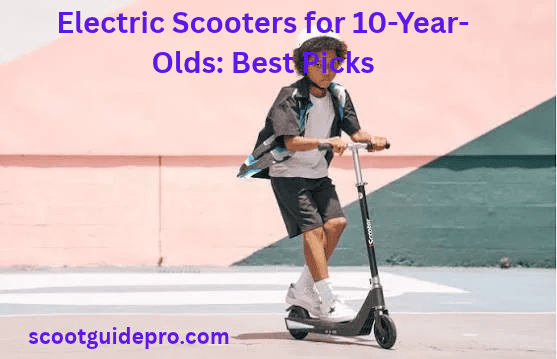
Electric Scooters for 10-Year-Olds: A Parent’s Guide to Choosing Safely
When a 10-year-old asks for an Electric Scooters for 10-Year-Olds the request usually comes with a long list of reasons: it’s fast, it’s fun, and every friend on the street already has one. The parent’s list is different. Is my child old enough? How fast is too fast? And where is it even legal to ride?
This guide works through those questions in order, so you can decide whether a Electric Scooters for 10-Year-Olds makes sense, which one fits your child, and how to set it up for safe riding. Written in October 2026, it treats manufacturer manuals and your local law as the final word wherever they differ from anything here.
Is a 10-Year-Old Old Enough for an Electric Scooter?
Often yes, with the right model and supervision. Many manufacturers set a minimum recommended age of about 8, so a 10-year-old falls inside that range. But age alone doesn’t settle it.
Readiness shows up in everyday behavior. Before buying, check whether your child:
- Rides a kick Electric Scooters for 10-Year-Olds or bicycle with confidence
- Brakes smoothly and steers around obstacles
- Stops at driveways and watches for cars without reminders
- Fits within the Electric Scooters for 10-Year-Olds weight and size limits
- Wears a helmet without argument
Why it matters: A mismatch between rider size, skill, and Electric Scooters for 10-Year-Olds power is a major cause of avoidable accidents. A model built for teens can be too fast and too large for a smaller child, however enthusiastic they are.
If your child doesn’t tick most of these boxes yet, a regular kick Electric Scooters for 10-Year-Olds for another year or two is a perfectly good answer.
Why Safety Guidance Seems to Contradict Itself
Search for this topic and you’ll find sources recommending different ages, motor sizes, and speeds. One guide suggests a modest motor for ages 8 to 10, while another recommends a much larger one for the same age group.
Much of that comes from retailers describing their own product lines, not from a shared standard. The practical tiebreaker is simple: follow the manufacturer’s age, height, and weight rating for the specific model you’re considering, then choose conservatively within it. For a 10-year-old, that usually means a lower speed cap and a gentler motor, not the strongest option available.
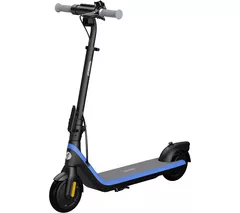
What to Look for: Key Specs
| Spec | What to look for at age 10 | Why it matters |
|---|---|---|
| Top speed | About 10 mph (roughly 16 km/h) or lower to start | More time to react and stop |
| Speed modes | Beginner mode plus adjustable limits | The scooter grows with your child’s skill |
| Weight limit | Comfortably above your child’s weight, with room to grow | Protects the frame, motor, and battery |
| Brakes | Dual braking, such as a rear foot brake plus a hand or electronic brake | Shorter, more controlled stops |
| Start system | Kick-to-start, so the motor engages only after a push | Prevents sudden lurches |
| Wheels and tires | Larger wheels cope better with cracks and bumps | Stability and comfort |
| Motor power | Modest wattage matched to the speed cap | More power isn’t better for a child |
| Electrical safety | UL 2272-certified system | Lowers fire and electrical risk |
| Lights and reflectors | Front and rear | Visibility at dusk |
| Water resistance | An IP rating of IPX4 or higher | Handles splashes and light rain |
| Scooter weight | Light enough for your child to lift and carry | Practical for stairs and car trips |
Pneumatic vs. solid tires: Air-filled tires cushion the ride and grip better but can puncture. Solid or honeycomb tires never go flat but feel firmer. For rough pavement, many families prefer pneumatic tires with a small repair kit.
Types of Kids’ Electric Scooters
Kick-to-start scooters. The child pushes off, and then the motor assists. They’re the most forgiving option for new riders and a common pick for ages 8 to 10.
Throttle scooters. A thumb or twist throttle delivers power on demand. They suit confident riders, but look for a speed limiter to avoid sudden starts.
Foldable scooters. Larger wheels and longer range make these better for older kids riding around the neighborhood, though they’re heavier. If portability is your priority, a foldable model is worth considering.
Seated and three-wheel models. Less common at this age, but they can suit children who need extra stability. Check their size and weight limits carefully.
Scooters with app controls. Some models let a parent cap speed or enable a beginner mode from a phone. Features like these are well worth the extra cost.
Established youth-oriented names include Razor, Gotrax, Segway-Ninebot, Gyroor, Hover-1, and Swagtron, among others. Compare warranty terms and local service access, not just the spec sheet.
How to Choose: A Simple Decision Framework
- Measure and weigh your child. Match both to the manufacturer’s rider limits.
- Decide where it will be ridden. A driveway and park need less range than a school route.
- Set a speed ceiling. Start low and unlock higher modes later.
- Put brakes and certification first. Dual brakes and UL 2272 outrank extra range.
- Check local rules before you buy, not after.
- Compare warranty and service. Parts and repairs matter more than most buyers expect.
- Add gear to the budget. A helmet and pads are part of the purchase.
| If your child… | Consider |
|---|---|
| Is new to motorized scooters | Kick-to-start with a low speed cap |
| Rides confidently already | Adjustable speeds and dual braking |
| Rides on rough ground | Larger pneumatic tires |
| Carries it upstairs often | A lighter, foldable model |
| Is tall or near the weight limit | A higher weight rating, not a stronger motor |
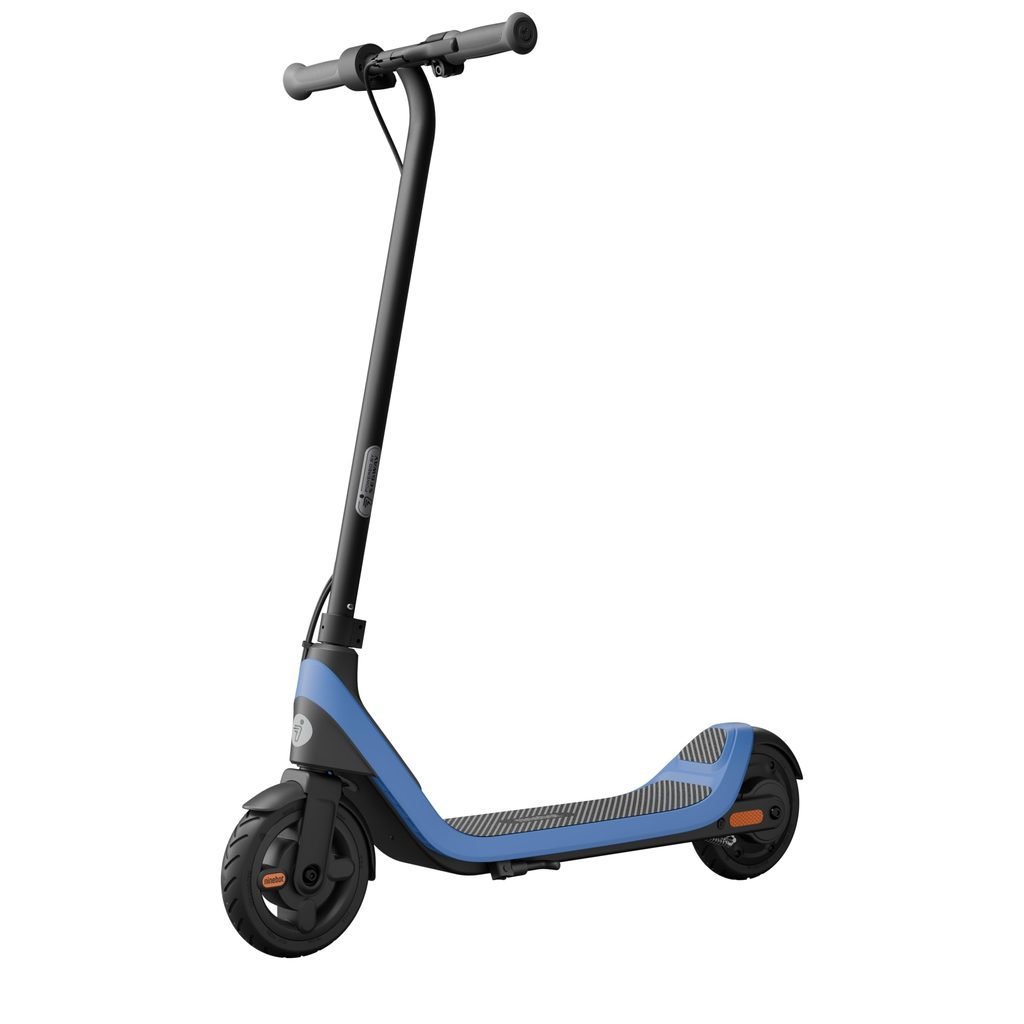
How Much Does a Kids’ Electric Scooter Cost?
Prices vary by brand, features, country, and retailer. Typical ranges:
| Tier | Typical range (USD) | What you usually get |
|---|---|---|
| Entry-level | roughly $100–$250 | Basic kick-to-start, lower speed, shorter range |
| Mid-range | roughly $250–$500 | Better brakes, adjustable speeds, longer range |
| Premium or teen-capable | $500+ | Higher speed, suspension, app controls |
(Source: Typical retail ranges across brands; verify current pricing in your market.)
Budget for extras: a helmet ($25–$80), knee and elbow pads ($15–$40), and a lock ($15–$50). Gift buyers should note that seasonal sales around birthdays and holidays can shift pricing noticeably.
Safety Gear and House Rules
Gear every ride:
- A properly fitted helmet that meets your region’s standard
- Knee and elbow pads
- Closed-toe shoes with grip
- Gloves, which help protect the wrists
- Bright or reflective clothing near dusk
Rules worth writing down:
- Helmet on for every ride, with no exceptions.
- One rider per Electric Scooters for 10-Year-Olds.
- No headphones or phone use.
- No riding in the dark unless the scooter has lights and your child wears reflective gear.
- Stay off busy roads until you’ve practiced together.
- Check brakes and tires before each ride.
⚠️ Supervise the early rides. Start somewhere empty, such as a driveway or parking lot, and don’t move to shared paths until stopping and turning feel automatic.
Where Can a 10-Year-Old Legally Ride?
Rules for minors vary widely, and they change. Check the current regulations where you live.
| Region | General picture (verify before relying on it) |
|---|---|
| United States | Set mostly at state and city level, with different age minimums, helmet rules, and limits on streets, bike lanes, and sidewalks |
| United Kingdom | Privately owned e-scooters are generally limited to private land |
| Germany and parts of Europe | Road-legal e-scooters come with minimum ages and equipment requirements, often above age 10 |
| Australia | Varies by state or territory |
Why it matters: A Electric Scooters for 10-Year-Olds that’s fine in a driveway can be illegal on a public street for a child, and an accident could create fines or insurance trouble. If you’re unsure, ask your local transport authority or police department.
Charging and Battery Safety
Nearly all Electric Scooters for 10-Year-Olds run on lithium-ion batteries, which need sensible handling.
- Use only the charger supplied with the Electric Scooters for 10-Year-Olds.
- Charge on a hard, non-flammable surface, away from beds, sofas, and curtains.
- Don’t charge overnight while everyone is asleep.
- Stop using any battery that is swollen, hot, leaking, or damaged.
- Store the Electric Scooters for 10-Year-Olds indoors, away from extreme heat or cold.
- Recycle or dispose of damaged batteries through local hazardous-waste channels.
UL 2272 certification covers the Electric Scooters for 10-Year-Olds electrical system, which is one reason it appears on every good buying checklist. Consumer safety agencies such as the U.S. Consumer Product Safety Commission have also urged manufacturers to meet recognized safety standards.
A First-Ride Plan
- Read the manual together and cover the controls, modes, and limits.
- Gear up: helmet, pads, and shoes.
- Run a quick check: brakes, tires, handlebar tightness, and charge.
- Start in a safe space and use the lowest speed mode.
- Practice starting, stopping, and emergency stops.
- Add turns and obstacles once those feel easy.
- Ride together on quiet paths before letting your child go solo.
- Agree on boundaries: where, when, and how far.
Buying, Warranty, and Repairs
Searches like “kids Electric Scooters for 10-Year-Olds near me” typically turn up toy and sporting goods stores, bike and Electric Scooters for 10-Year-Olds shops, big-box retailers, and online sellers. In-store buying lets your child try the size and lets you ask about returns.
Before you pay, ask whether the seller can service the brand, whether parts like tires and brake pads are stocked, and how long the return window runs. For repairs, simple fixes such as tires and brake pads are often doable at home. Battery and motor problems are better left to a qualified technician, particularly while the Electric Scooters for 10-Year-Olds is under warranty.
For Schools, Camps, and Activity Operators
Groups face a different set of questions than families.
- Liability and insurance: Speak with your insurer before offering Electric Scooters for 10-Year-Olds to children on your premises.
- Supervision ratios and rules: Set them in writing, and require helmets without exception.
- Fleet standardization: Using one or two models makes training, parts, and repairs simpler.
- Charging practices: Designate a supervised, ventilated charging area and keep batteries off flammable surfaces.
- Maintenance schedule: Inspect brakes, tires, and fasteners regularly.
- Parental consent and age rules: Confirm what local law allows for minors using motorized devices.
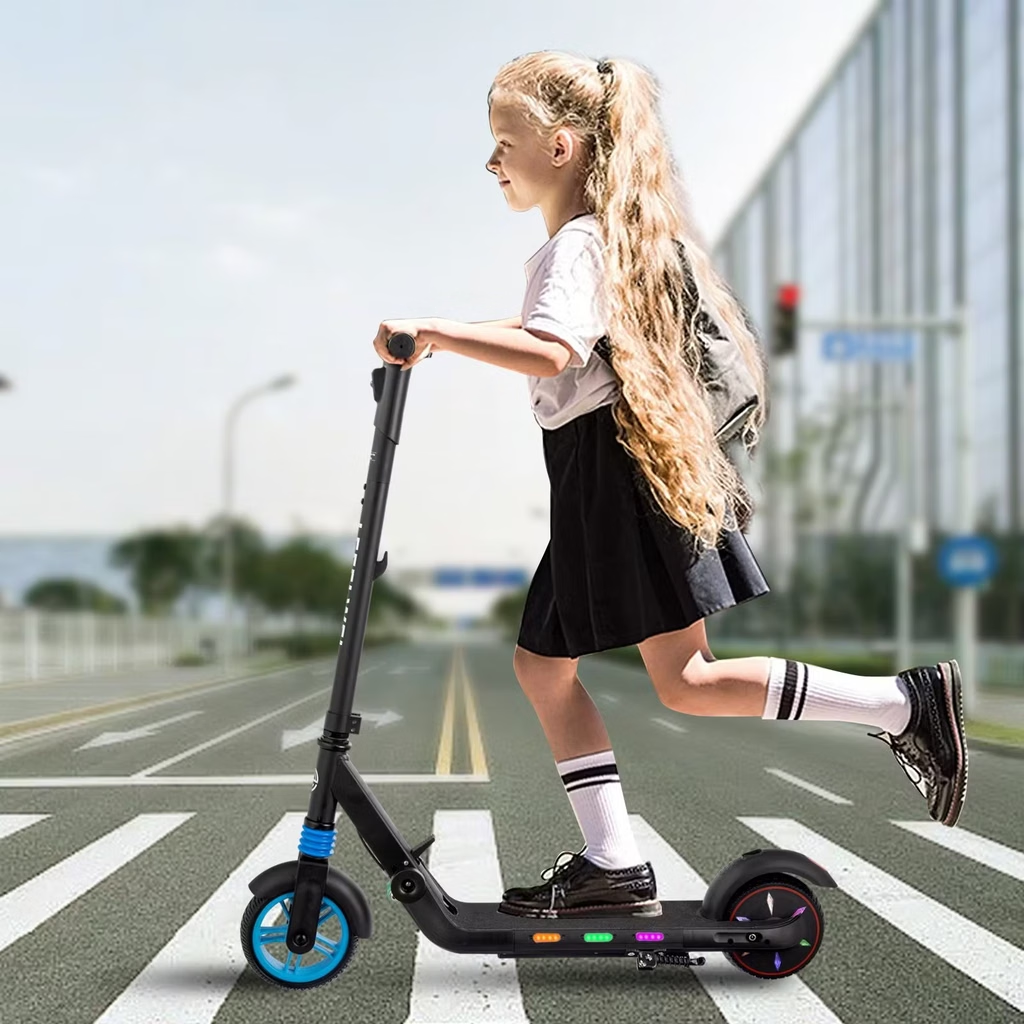
Common Mistakes to Avoid
- Buying for top speed instead of control
- Ignoring the weight limit or recommended age
- Skipping the helmet “just for a quick ride”
- Letting a child ride on streets without checking local law
- Using a damaged or mismatched charger
- Picking a Electric Scooters for 10-Year-Olds too heavy for your child to manage
- Skipping a brake check before rides
Alternatives Worth Considering
| Option | When it fits |
|---|---|
| Regular kick scooter | Younger or less experienced kids |
| Bicycle | More stability and exercise |
| Youth electric bike | Longer distances, where local law allows |
| Hoverboard-style device | Some families choose them, but check safety certification and the balance skill they demand |
| Waiting a year | If your child isn’t ready or doesn’t meet size and weight limits |
Hoverboards and Electric Scooters for 10-Year-Olds carry different risks. A hoverboard demands balance with no handlebar to hold, while a Electric Scooters for 10-Year-Olds offers a handlebar but travels faster. Neither is automatically safer, so choose based on your child’s skill and the quality of the product.
Quick Pre-Purchase Checklist
- Child’s weight and height fall within the manufacturer’s limits
- Speed is capped near 10 mph and adjustable
- Dual braking system
- UL 2272 certification
- Lights and reflectors
- Water resistance suited to your climate
- Helmet and pads purchased
- Local laws confirmed
- Warranty and service options understood
- A safe practice area identified
Frequently Asked Questions
1 Is a too young for an Electric Scooters for 10-Year-Olds?
Not necessarily. Many manufacturers recommend a minimum age of around 8, so a 10-year-old can ride a suitable model with supervision, a helmet, and a speed cap.
2 How fast should a Electric Scooters for 10-Year-Olds go?
Many guides suggest starting at about 10 mph or lower, then unlocking higher modes as your child’s skill grows.
3 Do kids need a helmet on an electric scooter?
Yes. A properly fitted helmet should be worn on every ride, whether or not local law requires it.
4 Can a ride an Electric Scooters for 10-Year-Olds on the road or sidewalk?
It depends on local law. Many places restrict where children may ride, so check your state, city, or country’s rules before heading out.
5 How much does anElectric Scooters for 10-Year-Olds cost?
Typical prices run from roughly $100 to $500, with premium models costing more. Budget extra for a helmet, pads, and a lock.
6 What weight limit should I look for?
Pick a model whose limit comfortably exceeds your child’s weight, with room for growth.
7 Are electric scooters safe for kids?
They can be when the model fits the child, protective gear is worn, and early rides are supervised. Injuries do happen, so safety habits matter more than any single feature.
8 Is a hoverboard or an Electric Scooters for 10-Year-Olds?
Neither is automatically safer. Compare certification, speed, and your child’s balance and riding experience.
9 How long does a kids’ Electric Scooters for 10-Year-Olds battery last?
Range per charge varies widely by model, rider weight, terrain, and speed, and real-world range is usually lower than advertised. Over time, battery capacity gradually declines with use.
Conclusion
An Electric Scooters for 10-Year-Olds can be a great fit for a 10-year-old when the child, the model, and the rules all line up. Choose control over speed, certification over extra features, and supervision over independence at the start.
Begin by checking your child’s size against manufacturer limits and confirming what local law allows. Then shortlist models with a low speed cap, dual brakes, and UL 2272 certification, budget for a helmet and pads, and plan a first ride somewhere safe and empty. With clear house rules and a careful start, you’ll know quickly whether it’s the right ride for your child.
These information about electric-scooter-with-seat Screen are gathered from different surveys, medical tests and tech giants like Techradar . Our top priority is to provide you valuable information about floor rising projector screens.
For More Details About Different Projectors Click Here