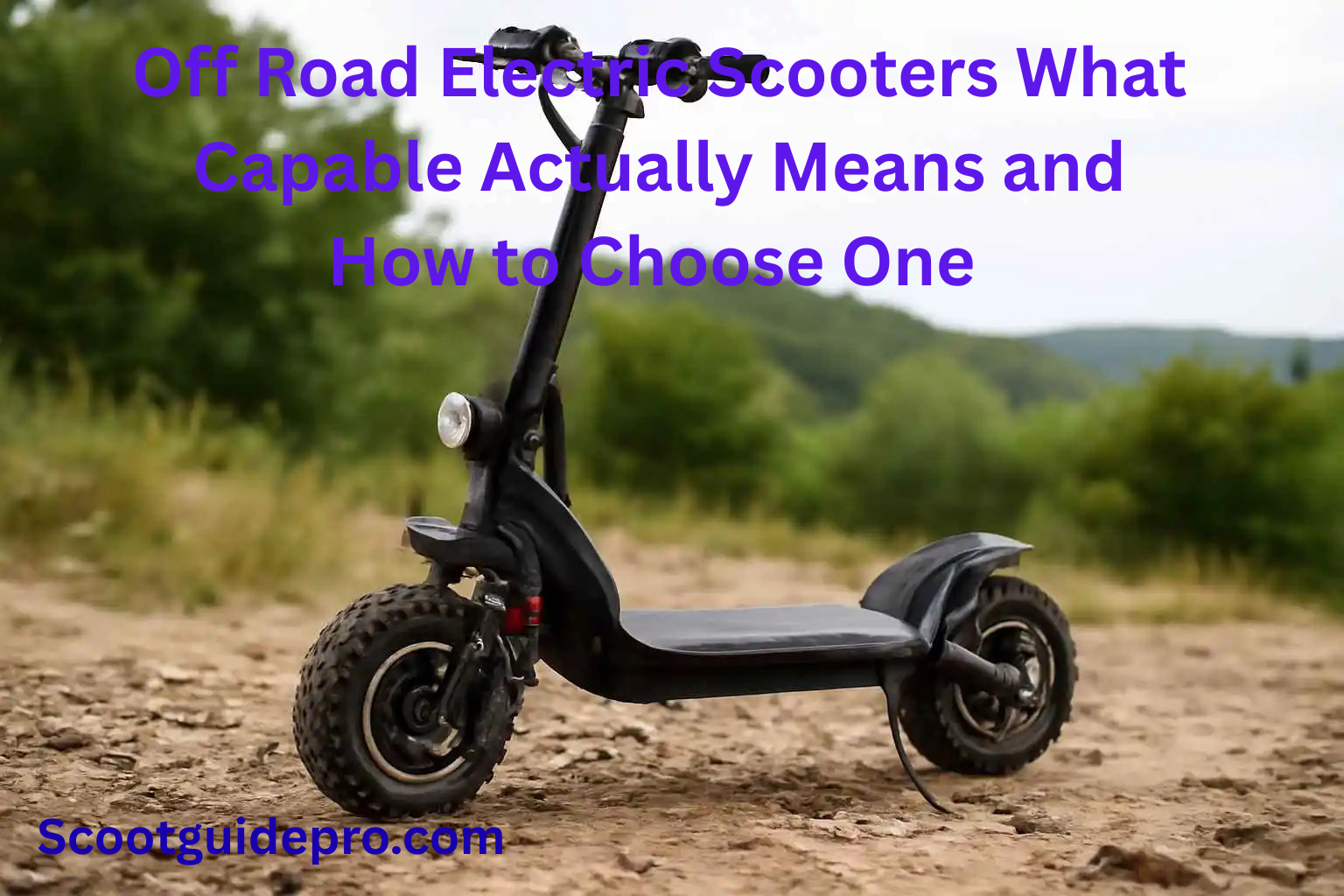
An easy-to-follow manual to off-road electric scooters: trail, suspension, costs, and tires to help you buy the right model for the terrain you’re in.
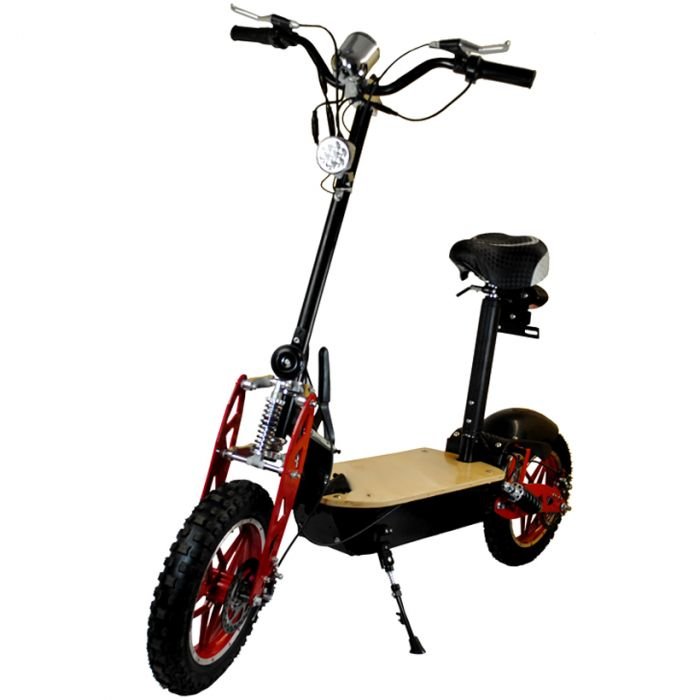
Search for “off road electric scooters,” and you’ll come across a multitude of websites that boast about ranking the “best” ones, usually determined by brands and speed ratings. One thing that many lists don’t include is the most crucial: what exactly does “off-road” actually mean on the specs sheet? What exactly is it? What model are you considering using legally in the place that you’d like to see it utilized?
These two aspects are more significant than any speed figure. A bike capable of handling dust and dirt is a distinct creature from one built to handle sand, dirt, and rocky single-tracks, and the terrain that it’ll be able to endure is not a factor in the ability to ride it.
This article will take you through each part that makes a bike truly off-road-ready, and how it determines the legal limitations for it, along with the price as well as safety. It also provides an easy method of determining which is the most suitable class for your vehicle.
What Is an Off-Road Electric Scooter?
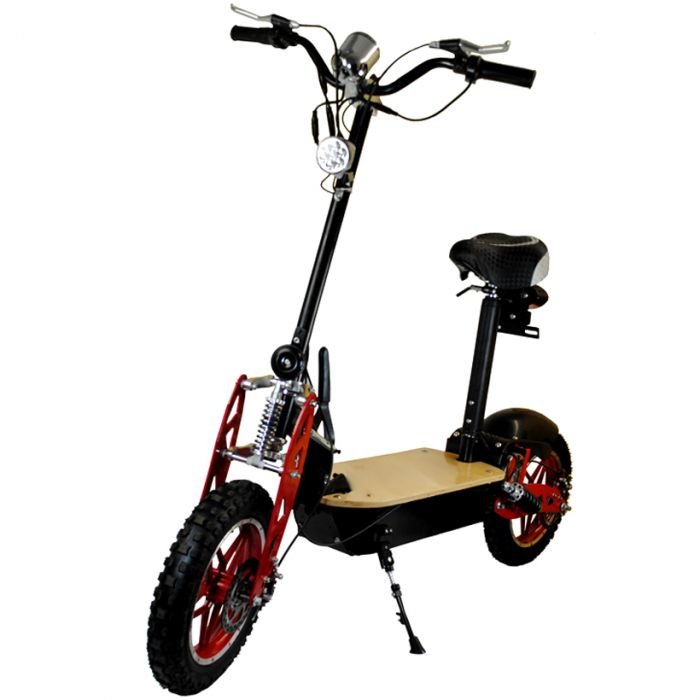
An off road electric scooters is a vehicle powered by batteries that was designed specifically for rough terrain, such as dirt, gravel, and sandy trails, with suspensions and knobby pneumatic tires, a longer travel time, and higher ground clearance, and the motor’s power to handle conditions that regular Off Road Electric Scooters for commuters can’t.
The distinction isn’t only visual. A regular Off Road Electric Scooters with soft tires and a sluggish suspension could slide over loose gravel and then drop to the bottom when it hits the very first bump or a root is in the way. A model specifically designed for off-road use is built around the opposite priorities, which include traction, impact absorption, and the distribution of torque over rough terrain and high speeds.
This category is typically described as an Off Road Electric Scooters vehicle that has all-terrain capabilities, such as trail scooters or Off Road Electric Scooters. hese terms are usually interchangeable; however, “all-terrain” may refer to lighter vehicles while “off-road” indicates true trail performance.
Why This Matters More Than It Seems
Micromobility is mostly built around pavements in urban areas; however, the majority of users don’t live that way. Rural commuters, who use roads made of gravel, as well as landowners who navigate farms, hunters, and campers in need of a tranquil, off-grid mode of transport, as well as those who want to ride trails that are between mountain bikes or dirt bikes.
For those who may not be comfortable, it’s also not always accessible. Off-road models connect that gap, using tire and suspension technologies of mountain biking to give the ability to travel through the terrain with a compact electric vehicle.
Who Actually Needs One
It’s important to determine who is going to benefit from this since off-road features increase the cost and weight you don’t want, regardless of whether you need it.
- “Trail” and “Adventure riders who want authentic suspension, abrasive and travel tires that are suitable for authentic off-roading.
- Rural commuters should be able to travel on roads made of gravel or dirt during the course of their daytime commute.
- Off-grid hunters, users, or campers** Think about the range and load capacities of terrain not identified.
- Farm and property owners* searching for a cost-effective, durable, long-lasting, and low-maintenance way to smooth out the terrain.
- “Casual weekend riders, those who are looking to have adventure but not necessarily commit to a massive set-up.
If you’re using asphalt most of the time and with occasional gravel roads, an all-terrain commuter is usually better than an off-road model. It will decrease weight, cost, and the stress of keeping it maintained.
How Off-Road Scooters Actually Work
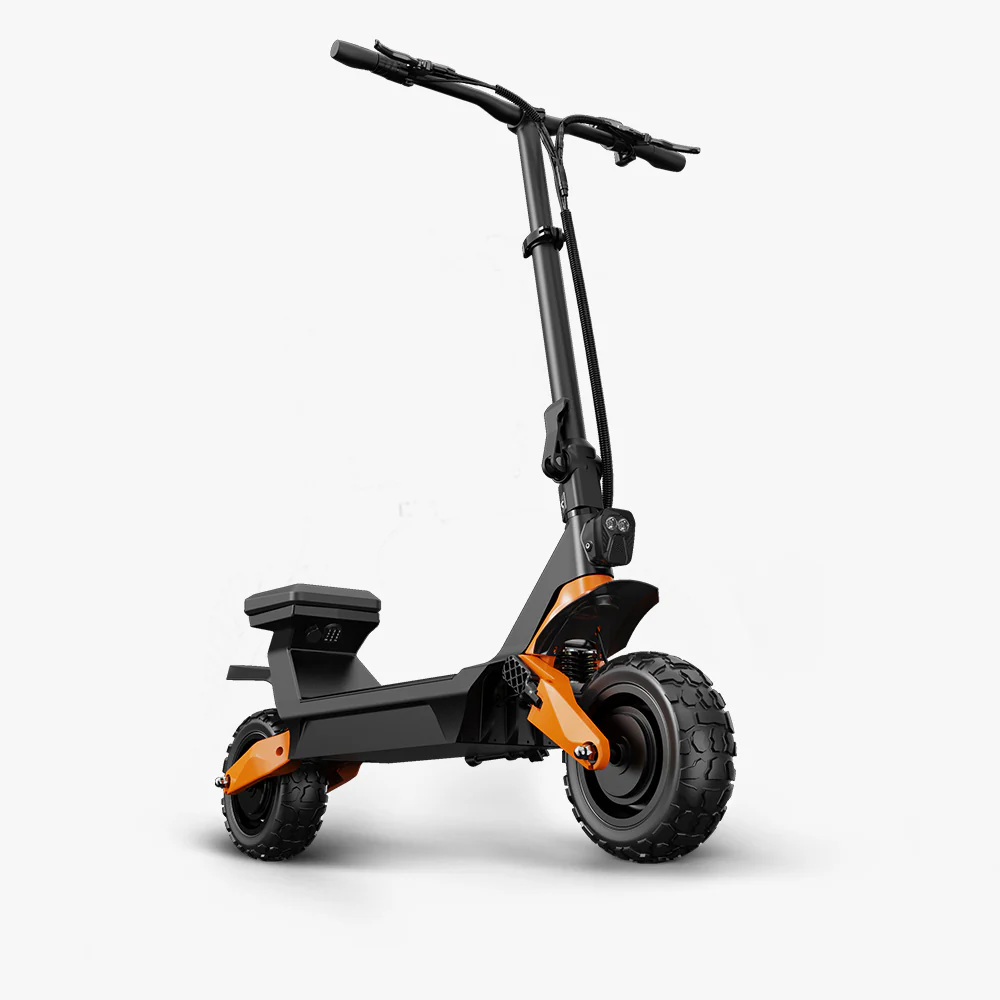
The fundamental mechanics adhere to the same premise that is employed in every other e-scooter. But there are distinct features that are vital in the case of rough terrain.
- The battery is the source of power for an electronic motor control (ESC).
- The ESC is a source of power for a number of brushless motors; dual motor configurations are standard in this case since the separate power supply to each motor is a significant boost in traction when on slick surfaces.
- The throttle input is what controls the flow of torque. This is especially important when you are in a road that is dirt rather than on a straight road.
- Long-travel suspension is usually made of hydraulic or springs, absorbs the force generated by rock, roots, and ruts, to ensure the tires are near to the ground.
- “Knobby pneumatic tires” are able to take off loose dirt and sand in ways that street tires cannot.
- Regenerative braking assists in limiting the descent and assists in recovering energy during the descent.
- Dual motors are important to consider when traveling on loose or wet terrain. A single Off Road Electric Scooters typically turns its single drive wheel; however, without traction. Dual motor torque distribution assures the scooter moves smoothly.
Types of Off Road Electric Scooters
It’s not the reality that every “ Off Road Electric Scooters is built for use in the same conditions.
- “All-terrain commuter Off Road Electric Scooters ” are able to tackle gravel and trails and are ideal for daily riding.
- Full off-road/adventure Off Road Electric Scooters — high-performance suspension and aggressive tires designed for real trail riding, including mud and rocks.
- Utility Off Road Electric Scooters *Concentrate on the load capacity and the durability, which is typically for farm and property use.
- * Off Road Electric Scooters that can be folded – a lighter weight compromise and with moderate suspension, that is appropriate for moderate trail use.
- Off Road Electric Scooters with a seated seat -seating in a moped-style to give stability on longer, rougher journeys.
Terrain, Range, and Price at a Glance
| Category | Terrain Capability | Typical Range | Battery Voltage | Starting Price |
| Entry All-Terrain Commuter | Gravel (or packed dirt) as well as light trails | 20–30 miles | ___ | $700–$1,400 |
| Dual-Motor All-Terrain | Sand, mud | 30–45 miles | 60V | ___ |
| Off-Road Adventure Trails | Rough terrain, deep mud | 35–55 miles | 70V | $2,500–$4,500 |
| Utility or Heavy-Duty Terrain | Property terrain | 25–40 miles | ___ | $2,000–$4,000 |
Consider these as sensible planning parameters and not guaranteeing the actual range and capabilities vary based on the weight of the rider and how difficult the terrain actually can be. The specifications of the manufacturer are typically determined under ideal conditions.
Capable Off-Road. Legal Off-Roads Not the Same
The one area that most buying guides don’t provide and is probably more crucial than any other spec on the label. The ability of a Off Road Electric Scooters to be used off-road doesn’t provide any information about whether it’s legal to use it off-road.
The legality of road travel can be determined through the laws of vehicles. Generally, it limits electronic Off Road Electric Scooters to speeds of fifteen miles an hour when on public roads within the US and lower or comparable limit for Australia, UK, EU as well as Australia. This is in line with all Off Road Electric Scooters used on public roads and off.
trail access issue is a separate issue that is not covered by the laws governing vehicles, but rather the organization that is responsible for its land- an all-encompassing park or a forest that is owned by the state or a private trail system, or even a local municipality. Many of the mountain biking and hiking trails do not allow motorized vehicles regardless of the way they are classified or how powerful they are.
In actual use, this means that any bicycle capable of navigating a rough single-track may still not be legal to ride on. Before purchasing the bike, make sure you’ve examined both layers to confirm what is legal for your trail within the location you live in, and also the specific rules that govern access to trails in the region you plan to use.
Suspension Travel, Explained Simply
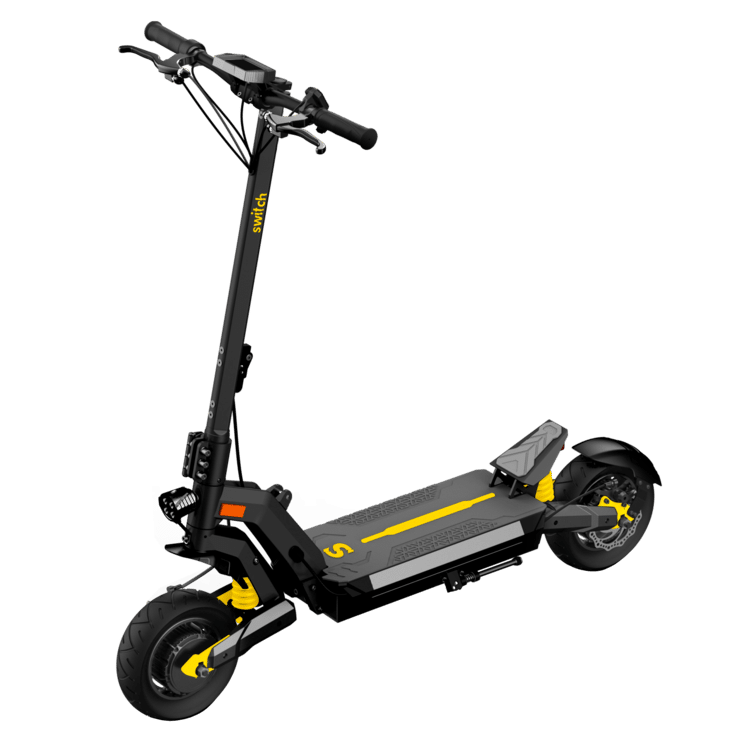
Suspension specifications are usually presented without a lot of details, so here’s a practical version:
- 2 to 3 inches of travel is generally enough for gravel and packed dirt as well as for light trails.
- 4+ inches of movement is what you’re searching for in really rough trails, abrasive or root-heavy riding.
The more miles you’ve got doesn’t mean that it’s better. It just increases weight and cost; therefore, you have to make sure it is compatible with the terrain you’ll be riding instead of purchasing the biggest available.
Safety Gear and Riding Practices
Off-roading comes with a higher risk of falling than the pavement. The choice of gear is an indication of the reality that
- A DOT- or ECE-certified full-face motorcycle helmet.
- Elbow pads and knee pads
- Gloves with padding for grip to absorb rough vibrations generated by the handlebar
- They are constructed of a durable closed-toe design that provides stability to the ankle.
- Eye protection against particles and debris that fly
- Examining the pre-ride conditions of the brakes, suspension, and tread on the tire.
It’s a great option to try experimenting with your throttle on the ground level and flat before taking on the difficult terrain, or steep slopes in off-road terrain. These are notorious for brutally hitting abrupt throttle moves using more force than smooth driving ever can.
Common Mistakes Buyers Make
- When “ Off Road Electric Scooters capable” automatically means “legal to ride on trails”
- Underestimating the necessity to have suspension travel on difficult terrain
- Don’t ignore water and mud to guard from intrusion (IP rating) prior to riding in wet conditions.
- Do not pay attention to the weight ratings of the Off Road Electric Scooters when loading it with gear.
- Beware of adjustments to tire pressure; lower pressure is usually a good way to increase grip on soft terrain, and most riders will not.
Maintenance After Rough Rides
- The Off Road Electric Scooters terrain is a greater challenge on a scooter than commuters, so the maintenance needs to take into account this.
- Suspension components which have been cleaned following dirty or muddy rides
- Be sure to verify the tread and pressure as well as the tire prior to setting out on any trail.
- Check brake pads every 150 to 250 miles, since off-road driving will wear them out faster than riding on the streets.
- Clean motor and electrical connectors due to the weather having changed from wet or muddy to prevent corrosion
- Make sure the battery is fully charged between 40 and 80% when you’re in an extended period of downtime
A Simple Way to Decide
If you’re stuck between different models, follow the steps below in the order:
1 What kind of terrain do you intend to ride?
The trails that are gravel can point to an entry-level model of all-terrain. However, steep or muddy trails are a sign of a complete off-road model.
2 How much equipment do you need to transport?
Farming, hunting, or camping activities require you to have a larger capacity for load as well as equipment that is more utilitarian.
3 What’s your budget?
The suspension quality and dual motors could be one of the costliest cost-drivers.
5 Are you planning to take a ride on the asphalt?
If so, you need to choose a car with a street-legal velocity mode.
Have you established that you have access to the trails? *Do this prior to looking over details of the suspension, but not prior to purchasing.
Other Options Worth Knowing About
Off Road Electric Scooters aren’t an suitable option to tackle challenging terrain. The electric mountain bikes are typically ideal for harder single-tracks.They are generally preferred when riding trails. The electric dirt bike is much stronger in terms of raw power, however they do require experience as well as, sometimes even a permit. If you’re looking for something lighter and that is lighter and less bulky, a commuter Off Road Electric Scooters may be less expensive and more lightweight if it is mostly gravel and not a true trail.
FAQs
What makes it possible to take the Scooter “off-road” instead of a normal electric scooter?
Pneumatic tires with long travel featuring knobby tires that provide greater ground clearance and more motor torque, typically with a dual motor configuration, specifically created for terrains that are not asphalted.
Can electric motorbikes off-road be used to hike?
Most of the time, it is possible. Most public trails restrict motorized vehicles regardless of the Off Road Electric Scooters capabilities off-road, so trail access should be checked independently of the limitations of the vehicle’s abilities. manage.
How many suspension travels will I need in order to navigate off-road terrain?
Within 2-3 inches is enough gravel and light trails.However, truly difficult terrain requires at least 4 inches.
Are off-road electric scooters street legal?
Most of the time, they’re not operating at complete off-road speeds. The majority of streets in public transportation restrict Off Road Electric Scooters’ speed to 15 mph. This is far less than the speeds that off-road models attain.
What’s the cost for an electric vehicle that is off-road?
The $700 average is the price that starts for entry-level models of All-terrain vehicles. This could go as high as $4,500 when you buy full Off Road Electric Scooters.
Do off-road vehicles need specific tires?
Yes, knobby pneumatic tires can provide the grip needed on dirt, as well as sand and gravel. The standard smooth tires do not do well away from the road.
Are a single or dual motorbike better suited to use off-road?
Dual motors are often the best choice for Off Road Electric Scooters due to their battery powering each wheel separately – this increases traction while decreasing spin during slippery or wet terrain driving conditions.
What are the differences between all-terra and off-road bikes?
The terms typically overlap. They’re usually interchangeable. However, “all-terrain” sometimes describes lighter-duty capability to deal with dirt and gravel, as well as “off-road” more often implies an actual trail-ready condition with larger wheels and suspensions.
Conclusion
The most crucial question to consider regarding Off Road Electric Scooters for off-road use isn’t “how capable is it” but “capable of what? And can I legally ride it in that area? “The kind of tire, suspension travel, and the motor’s design decide the terrain the Off Road Electric Scooters will manage, as well as the regulations regarding access to trails set by the person responsible for the land. They also determine the legal limit to riding it.
These information about electric-scooter-with-seat Screen are gathered from different surveys, medical tests and tech giants like Techradar . Our top priority is to provide you valuable information about floor rising projector screens.
For More Details About Different Projectors Click Here