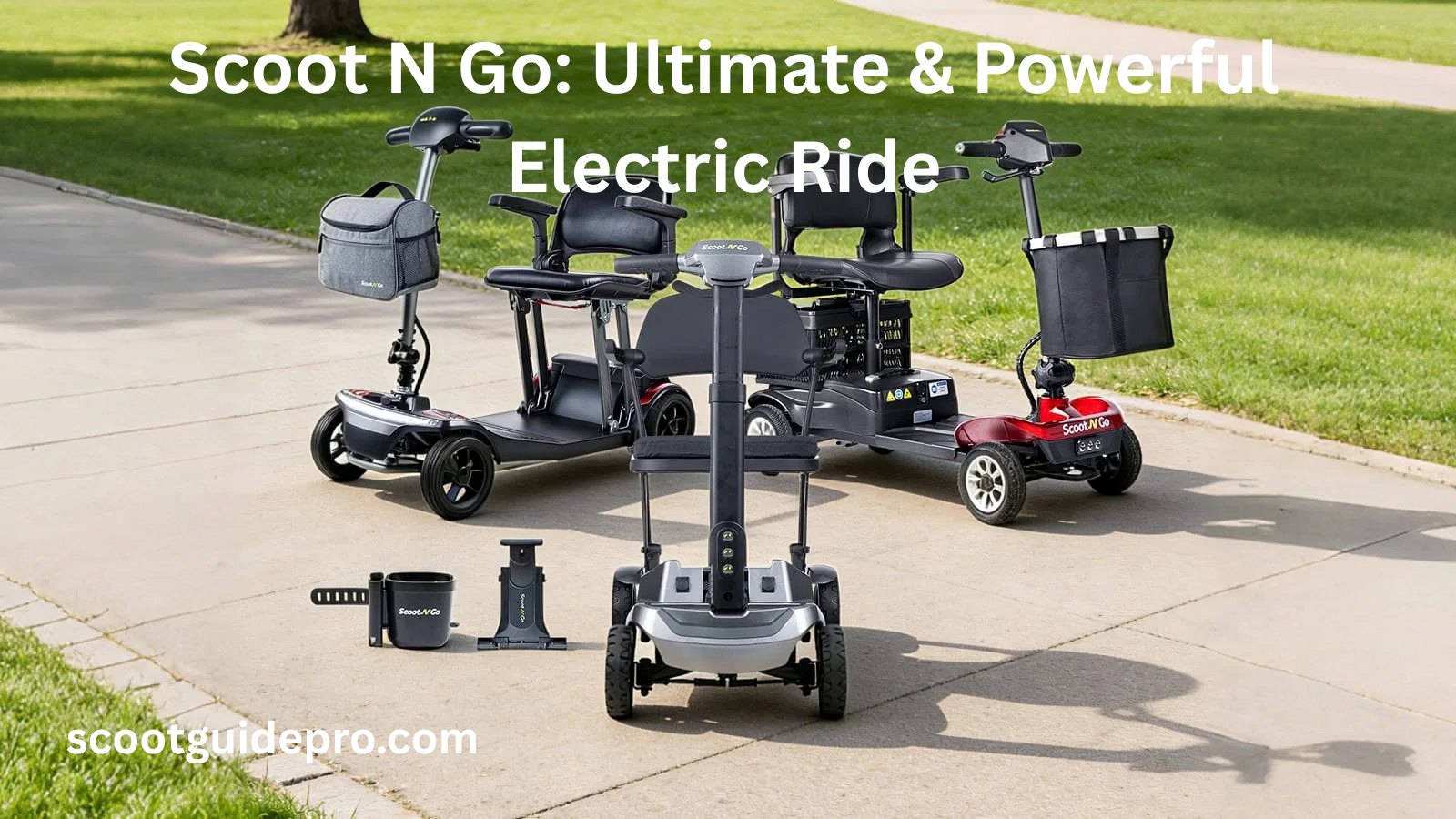
Scoot N Go explained: reported specs, battery and charger matching, troubleshooting, repair vs. replace, safe disposal, and alternatives.
Scoot N Go: What It Is and How to Keep One Running
A Scoot-N-Go is a discontinued Scoot N Go that is commonly reported to run on two 12V 12Ah sealed lead-acid batteries wired for 24V. Today, most people searching for it need a replacement battery, a compatible charger, or a repair plan.
Which Scoot N Go Are You Looking For?
The name points to several unrelated things, so it helps to sort that out first.
| Name | What it is | Is this article for you? |
|---|---|---|
| Electra Scoot-N-Go | An older, budget-friendly electric scooter | Yes |
| Go Scoot | A shared electric kick-scooter app for iPhone, where you scan, ride and drop off | No |
| Scoot2Go | A design concept for self-service mobility-scooter rental in airports | No |
| “Scoot and go” (generic) | A marketing phrase used on many e-scooter blogs | Only partly |
If you own or are considering buying the Scoot N Go, keep reading. If you wanted a rental app, check your phone’s app store for the service operating in your city.
What the Electra Scoot-N-Go Is
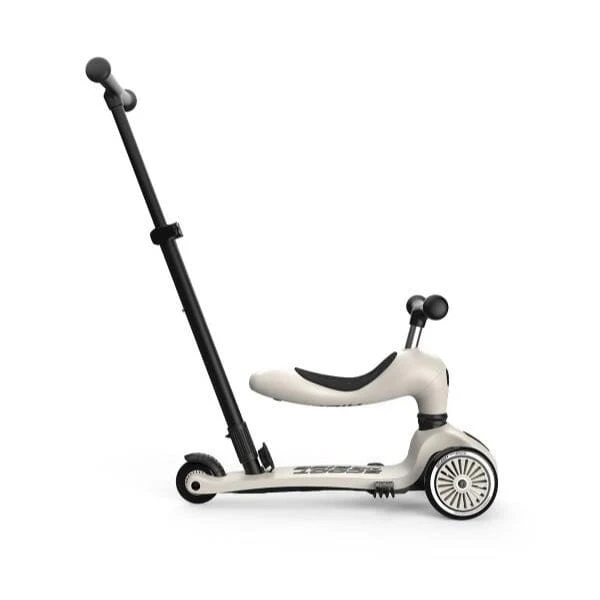
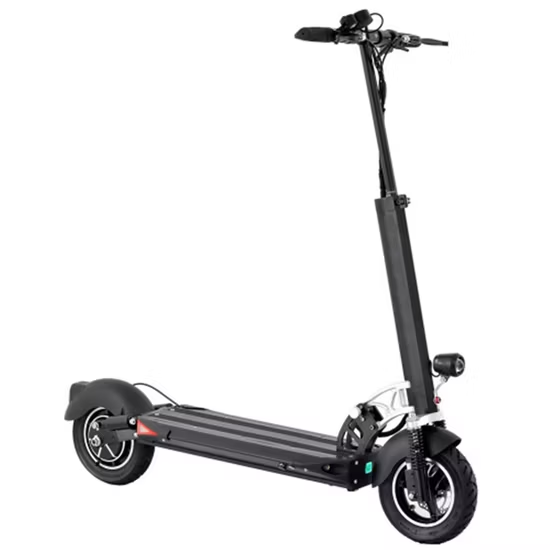
The Scoot N Go was positioned as an affordable option for families, commuters and casual riders, rather than a premium machine. The branding leaned on a simple idea: charge it, hop on, go.
It belongs to the mid-2000s wave of consumer Scoot N Go. These used heavy sealed lead-acid batteries, a modest motor and a basic throttle. They were easy to ride and easy to repair, which is why many are still around.
The catch is that the product is no longer made. There is no active manufacturer support line to call, so owners rely on aftermarket parts, general Scoot N Go repair knowledge and community know-how.
Reported Specifications (and How to Confirm Them)
Published specs for this Scoot N Go come mostly from secondary sources, so treat them as a starting point rather than gospel.
| Attribute | Commonly reported value |
|---|---|
| Motor | 250W |
| System voltage | 24V DC |
| Batteries | Two 12V 12Ah, sealed lead-acid |
| Maximum rider weight | About 178 lb (roughly 80 kg) |
| Top speed | About 11 mph (roughly 18 km/h) |
| Range | About 9 miles (roughly 14 km) when new |
Range is the number to be most skeptical about. It was a best-case figure for fresh batteries and a lighter rider. A worn pair will deliver far less.
How to confirm specs on your own unit
- Look for the label or sticker on the frame, deck or battery compartment.
- Note any model number printed there.
- Read the battery label for voltage (V) and capacity (Ah).
- Check the charger’s label for output voltage and current.
- If anything is unreadable, photograph it and compare against a seller’s listing before ordering parts.
Doing this first prevents the most common and most expensive mistake: ordering the wrong part.
How the Scooter Works
The system is refreshingly simple, which is why it’s repairable at home.
- Two 12V batteries are connected in series, which adds their voltage together to give 24V.
- The charger feeds the battery pair through the charging port.
- The throttle sends a signal to the controller.
- The controller regulates power going to the motor.
- The brakes slow the Scoot N Go and, depending on the design, may also cut power.
When something goes wrong, the culprit is almost always the batteries, the charger, a connector, or the throttle and controller. Start with the cheapest and most likely suspects.
Who a Scoot N Go Suits Today
Good fit
- DIY owners who enjoy small repairs
- Short, flat, low-speed trips around a neighborhood or campus
- Teens or adults within the weight limit who want a basic ride
- Buyers hunting for a very cheap used Scoot N Go
Poor fit
- Long commutes or hilly routes
- Riders at or above the weight limit
- Anyone wanting modern extras such as app connectivity, integrated lighting or regenerative braking
For resellers and refurbishers, the appeal is practical. Parts are standardized, the electronics are simple, and the batteries are a common size shared with other Scoot N Go.
Batteries: The Part You’ll Probably Replace
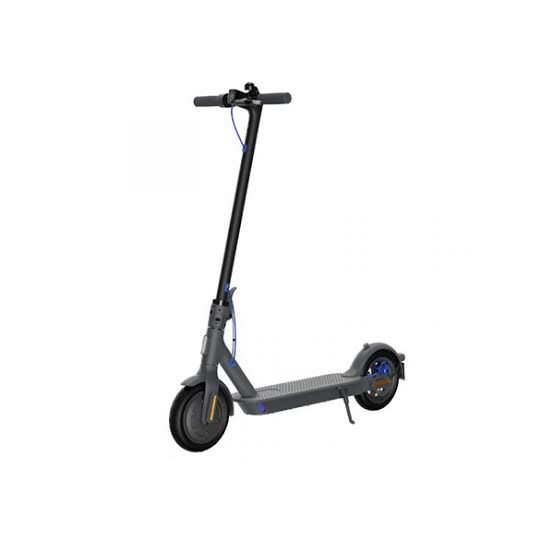
Sealed lead-acid batteries wear out. As a general range, e-scooter batteries often last somewhere between one and three years depending on use, storage and charging habits. Scoot N Go that sit uncharged for months tend to lose capacity faster.
Understanding the model numbers
Retailers list replacement batteries under Scoot N Gomodel numbers such as 88702 and 88703, and a related Electra model, the Voy 88911, appears with similar 12V 12Ah batteries. Many listings describe the same 12V 12Ah format.
That’s helpful, but don’t assume a number match means a perfect fit. Compare the terminal type, physical dimensions and voltage/capacity against your old batteries before buying.
What replacements cost
Marketplace listings for 12V 12Ah replacements have recently appeared in the low-to-mid $50s. Always check whether the price covers one battery or a pair, because your Scoot N Go needs two. Shipping, taxes and regional pricing will change the total.
Step-by-step: replacing the batteries
You’ll need: replacement batteries, a screwdriver set, a multimeter, gloves and a phone to photograph the wiring.
- Power down. Switch the Scoot N Go off and unplug the charger.
- Open the battery compartment. It’s usually beneath the deck or seat. Check your manual if you can’t find it.
- Photograph the wiring before disconnecting anything.
- Disconnect the connectors carefully, one at a time.
- Lift out the old batteries and compare their labels with the new ones.
- Check the new batteries’ voltage with a multimeter. They should read near 12V or slightly above.
- Install the new pair in the same orientation, matching your photo.
- Reconnect, close the compartment and test at low speed.
Wiring the pair correctly
In a series connection, the positive terminal of one battery links to the negative terminal of the other. The two remaining terminals connect to the Scoot N Go. Reversing polarity can blow fuses or damage the controller, so follow your photo.
Always replace both batteries together. A fresh battery paired with a worn one is dragged down by the weaker partner, and you lose most of the benefit.
Chargers: Matching the Right One
A charger that merely fits the port isn’t necessarily the right charger.
Check three things:
- Voltage: must suit a 24V battery system.
- Current (amps): should be appropriate for 12Ah batteries. Too high can stress the batteries.
- Connector and polarity: the plug shape and the positive/negative orientation must match your scooter’s port.
Some aftermarket chargers are sold as compatible with the Scoot N Go and similar scooters. That’s a good sign, but still verify the specs on the label against your old charger.
Signs your charger is failing
- No indicator light or sound at all
- Batteries take unusually long to charge
- The charger gets very hot
- Cable or connector damage
A multimeter reading on the charger’s output will tell you whether it’s delivering voltage. If it reads zero, the charger or its cable is faulty.
Troubleshooting Common Problems
| Symptom | Likely cause | What to try first |
|---|---|---|
| Won’t turn on | Dead batteries, loose connector, blown fuse | Check connections, then measure battery voltage |
| Very short range | Aged batteries | Test each battery separately |
| Won’t charge | Faulty charger, damaged port, deeply discharged batteries | Test charger output, inspect the port |
| Stutters or loses power on hills | Weak batteries or corroded contacts | Clean terminals, load-test batteries |
| Motor hums but wheel doesn’t turn | Controller, motor or wiring fault | Inspect wiring, then seek a shop quote |
| Throttle unresponsive | Throttle or connector fault | Check connector seating and wiring |
Tip: If you suspect the controller or motor, rule out the batteries first. Weak batteries mimic a surprising number of “bigger” failures.
Repair Options: DIY, Local Shop or Mail-In
Because the scooter is discontinued, authorized service centers are unlikely to exist. That leaves three realistic routes.
DIY
Best for battery swaps, charger replacement, cleaning contacts and reseating connectors. It’s cheap and fast if you’re comfortable with basic tools.
Local repair shops
Good for diagnostics on controllers, motors and wiring. The key question to ask on the phone: “Do you service older lead-acid scooters?” Many modern e-bike shops only work on lithium systems and may decline.
Useful search phrases include “Scoot N Go repair near me,” “mobility scooter battery replacement” and “scooter battery recycling near me.” The best fit is often a mobility equipment dealer or an independent scooter shop.
Online and mail-in services
Useful if no local shop will touch it. Weigh shipping cost carefully, since lead-acid batteries and scooters are heavy.
Repair or Replace? A Simple Decision Guide
Work through these questions in order.
- Is the frame cracked, or is the fork bent? If yes, replace the scooter.
- Is the problem only batteries or the charger? If yes, repair. This is the most cost-effective fix.
- Is the controller or motor suspected? Get a diagnostic quote before spending more.
- Do repair quotes approach half the cost of a comparable new scooter? If yes, replacing is usually smarter.
- Is the rider close to or above the weight limit? If yes, choose a higher-capacity model.
Rule of thumb: a battery-and-charger fix on an otherwise healthy scooter is usually worth it. A failed controller on a worn-out frame usually isn’t.
Can You Upgrade to Lithium?
It’s possible in principle, and it’s tempting because lithium batteries are lighter and often last longer. But it isn’t a plug-and-play swap.
- Lead-acid chargers don’t suit lithium. You’d need a lithium-compatible charger.
- A battery management system (BMS) is generally needed to protect the cells.
- Controller and voltage compatibility must be checked carefully.
- Fit and wiring may require modification.
- Safety risk: poorly matched lithium setups can overheat or catch fire.
For most owners, staying with the original lead-acid format is simpler and safer. If you do consider lithium, use a reputable pre-built pack designed for your voltage and consult someone experienced.
Buying a Used Scoot N Go: Inspection Checklist
A cheap price can hide a costly battery bill. Before paying, check the following:
- Frame, fork and deck free of cracks or heavy rust
- Both batteries present, with a visible label and no swelling or leaks
- Original charger included and working
- Throttle responds smoothly
- Brakes engage properly
- Tires hold air and tread is intact
- Wiring is neat, without taped-over splices
- Seller can state the battery age
- Your weight is within the rated limit
Negotiating tip: assume you’ll replace the batteries. Factor that cost into your offer.
Safety Practices
- Charge in a ventilated space, away from flammable materials.
- Don’t leave it charging for long, unattended periods.
- Use the right charger, never a “close enough” substitute.
- Inspect cables and connectors regularly for damage.
- Avoid running batteries completely flat, and recharge after rides.
- Charge before long storage, and top up periodically.
- Never use a battery that is leaking, swollen or visibly damaged.
- Check local rules on where scooters may be ridden, helmet requirements and age limits, since these vary by country, state and city.
Disposal and Recycling
Sealed lead-acid batteries must not go into household trash. They contain lead and acid, and they’re highly recyclable.
Rules differ by region, but common options include:
- United States: many battery retailers and recycling centers accept used lead-acid batteries, and some states have take-back requirements.
- European Union: battery regulations require proper collection and recycling.
- United Kingdom: waste-battery rules apply, and many retailers and recycling centers accept them.
- Canada and Australia: municipal hazardous-waste depots and battery retailers commonly accept them.
Because regulations change, confirm current requirements with your local authority. When buying new batteries, ask the seller whether they take back old ones.
Alternatives If Your Scoot N Go Isn’t Worth Saving
| Your need | Consider |
|---|---|
| Lightweight daily commuting | A modern lithium folding e-scooter |
| Mobility assistance | A travel mobility scooter, such as the Pride Go-Go Elite Traveller |
| Occasional rides, no ownership | A shared-scooter app (where available) |
| Heavier riders or longer range | A higher-capacity e-scooter or an e-bike |
| Tight budget | A used scooter with newer batteries and a known history |
Pricing Snapshot
| Item | What to expect |
|---|---|
| Replacement 12V 12Ah battery | Roughly low-to-mid $50s in some listings; confirm single vs. pair |
| Charger | Varies by amperage and connector; compare against your original’s label |
| Labor | Varies widely by region and shop; get two quotes |
For resellers, buying batteries in bulk and checking cross-compatibility with other 12V 12Ah scooters can improve margins.
Common Mistakes to Avoid
- Buying a charger by connector shape alone
- Replacing only one battery
- Ignoring corroded terminals
- Trusting original range claims on an old unit
- Blaming the controller before load-testing the batteries
- Searching for a rental app and ordering parts by accident
- Skipping the label check before ordering
Frequently Asked Questions
1 What is a Scoot N Go?
It’s an older electric scooter associated with the Electra brand, positioned as an affordable ride for families and casual riders. It’s no longer in production.
2 What batteries does a Scoot N Go use?
Reports indicate two 12V 12Ah sealed lead-acid batteries wired in series for 24V. Confirm the specs on your own battery label before ordering.
3 Is the Scoot N Go still made?
No. It’s a discontinued product, so parts come from aftermarket suppliers and the used market.
4 How fast does a Scoot N Go go?
It’s commonly reported at about 11 mph. It’s a low-speed scooter meant for short trips.
5 How far will it go on a charge?
Roughly nine miles when new, according to secondary sources. Older batteries reduce that significantly.
6 Why won’t my Scoot N Go charge?
Common causes are a faulty charger, a damaged charging port, a loose connector or deeply discharged batteries. Test the charger output with a multimeter first.
7 Can I use any 24V charger?
No. The connector, polarity and amperage must match your scooter. A wrong charger can damage the batteries or create a safety risk.
8 Where can I find parts?
Online marketplaces and battery retailers list replacement batteries and chargers. Local scooter and mobility shops may also source parts.
9 What’s the weight limit?
About 178 pounds is commonly reported. Check your unit’s label or manual.
10 Is the Scoot N Go the same as the Go Scoot app?
No. Go Scoot is a shared-scooter rental app and is unrelated to the Electra scooter.
11 Is it worth buying a used one?
Only if the frame is sound and the price is low enough to cover new batteries. Use the inspection checklist above.
Conclusion
The Scoot N Go is a simple, aging scooter that often deserves a second life, as long as the problem is something small like batteries or a charger. Its basic electrical design makes diagnosis straightforward, and the parts are relatively easy to source.
Here’s your action plan:
- Read your labels to confirm voltage, battery size and model number.
- Test the batteries and charger before assuming anything bigger has failed.
- Replace batteries as a pair, and match the charger’s voltage, current and connector.
- Get two quotes if you suspect the controller or motor.
- Compare repair cost to a new scooter before committing.
- Recycle old batteries through a proper drop-off point.
These information about electric-scooter-with-seat Screen are gathered from different surveys, medical tests and tech giants like Techradar . Our top priority is to provide you valuable information about floor rising projector screens.
For More Details About Different Projectors Click Here