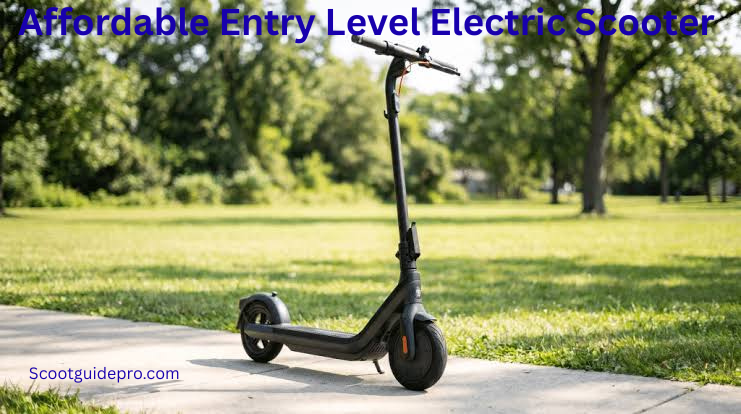
What Makes a Scooter Entry Level
“Entry level” or “entry level” doesn’t mean inferior quality or cut corners. It’s an indication that the features are streamlined to provide the lowest price. Instead of front and rear suspensions and a massive ride-related battery linked to applications, it is equipped with a smaller frame, a smaller battery, and simpler displays.
Most Entry Level Electric Scooter n this class boast similar specifications and feature sets, making comparison more straightforward.
- Speed: 15-19mph/24-30km/h
- Range: 8-20 miles per charge
- Hub Motor with Capacity Range from 250W-350W
- Weight Range of 24-30
- LBSThe capacity for weight for the cyclist is between 220 and 265 pounds.
- Wheels 6.5 “-8.5” typically pneumatic or solid.
- Resilient to water generally IPX4 (splash resistance, but it isn’t waterproof)
The difference between “entry level” and “mid-range” generally is just the addition of features like suspension, bigger batteries, or connectivity to applications, not the massive improvement in the quality of the software built.
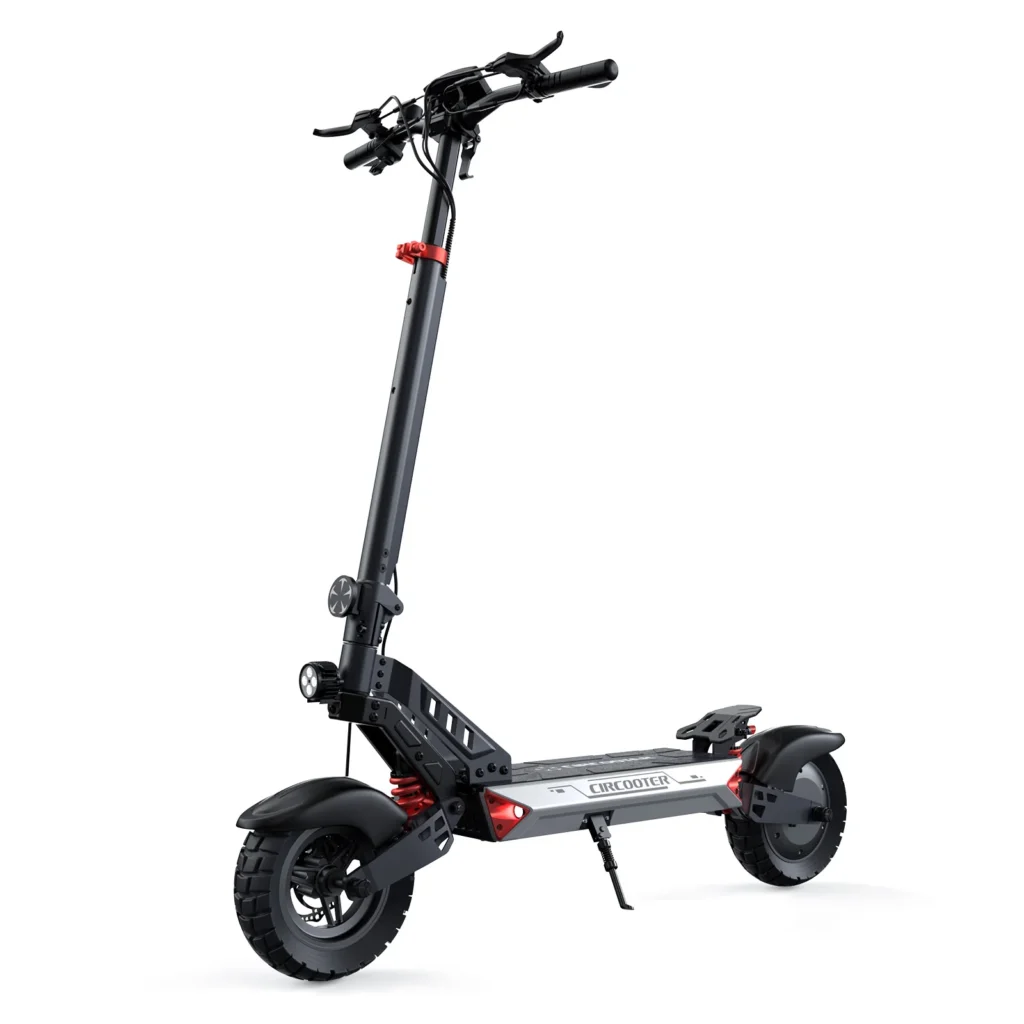
Who Actually Needs One
One reason for this is that most consumers pay excessively for the fixed speed of 25 mph and a 40-mile range for a car to travel 2 miles toward stations. A basic model can be used for the scenarios below as well.
- Students who attend schools that have small distances on campus do not have to walk more than 2 miles. Light mobility Entry Level Electric Scooter can be a good choice to make it easier to commute to class and return.
- Urban commuters who know the “last mile” between a stop at the bus station or office and a train station can have what they want cost-effectively, without spending to cover the space they do not need.
- “First-timer” riders uncertain if Entry Level Electric Scooter riding is the appropriate choice to meet their needs could get a cheaper option to experience the Entry Level Electric Scooter before choosing the more expensive option.
- “Teenagers,” when local laws and the supervision of their parents allows the use of speed that is lower and feature a thinner frame than models that are entry-level and not models which are located at the mid-point of the spectrum.
If the trip is greater than five miles in length, it includes high mountain ranges or is situated in areas that are frequently humid. The likelihood is that you’ll be through this stage quickly, and it’s something worth looking for before purchasing.
How These Scooters Actually Work
The whole assortment of Entry Level Electric Scooter regardless of cost, is powered by the same mechanism. Lithium-ion batteries save energy and then transfer energy to the motor hub, which integrates into the wheel.
A controller determines the amount of power that will be pumped into theEntry Level Electric Scooter n response to the throttle’s commands, and with brake systems. Typically, one is the front foot brake, which is typically combined with electronic brakes. can bring your journey to a close.
A normal car is similar to this.
- Use one foot to start the Entry Level Electric Scooter (most models will require this prior to the motor turning on).
- Use the throttle to speed up.
- Make use of the electronic brake to manage your speed. Be sure to use the foot brake to bring you to a complete stop.
- Fold thescooter inwards and over the hinges of the stem to make it easier for storage or moving.
- Recharge your battery completely. The typical time is 4 to 6 hours, according to battery capacity.
It’s crucial to comprehend what the cycle does, as it is the main reason that the figures within the range could be incorrect. Further details about this can be found in the following.
The Range Number on the Box Isn’t the Whole Story
Manufacturers test their vehicles under perfect conditions, i.e., an average user weight of 165lbs within a flat space and with Eco mode onUnder real world conditions such as winds, mountains, heavier users or operating in Sport mode, this number could drop up to 20%-30 and one that claims 15 miles may only cover 10-12 during normal usage..
This is among the main reasons for customers to be unhappy. You should be aware of this before making a purchase solely on the cost stipulated.
Selecting an Appropriate Model: An Effective Framework
Instead of simply finding out the sum, follow these steps step-by-step to arrive at an amount.
1Step One: Calculate daily mileage.
For trips that are shorter than three miles, a distance between 8 and 10 miles suffices. For a trip of three to seven miles in length, you should have the time to look over a range of 15 miles. Leave an inch of room.
2 Check your weight against the maximum weight capacity of the motor.
An engine that’s in or above the limits set reduces the performance of the motor and decreases it by a larger distance in this case. The “real-world” adjustment above already is taken into consideration.
3 Make sure your motor and tires are suitable for the terrain that you’re on.
A smooth and even surface is achievable with a 250W motor along with the use of a set of durable tires. The cracks that appear in walkways as well as the slopes require using the 350W motor as well as pneumatic (air-filled) tires. They are better at absorbing the jolt; however, they could create punctures.
4 Determine the amount of accessibility you’ll need.
In case you’re taking your scooter to get up steps or taking buses every day, look at frames that weigh less than 27 pounds and can fold in only one motion.
5 Check what’s lawful in your area.
The age at which you must be and the requirements for wearing helmets, as well as the zones where you are allowed to bicycle (bike lanes, roads, or sidewalks), vary for each city within the United States, as well as the state or cities which are part of the same nation.
The thresholds for wattage, which lead to the requirement for registration and insurance, vary as well. The rules are constantly updated; it is advisable to consult the local authority to determine the most recent rules, rather than basing your decision on the consensus of other authorities.
6 Examine the conditions and terms of warranties. Not only the price printed on the labels. **
An inexpensive entry level electric scooter that has a warranty of 30 days might cost more than an equivalent model with an entire year of insurance and easily accessible parts.
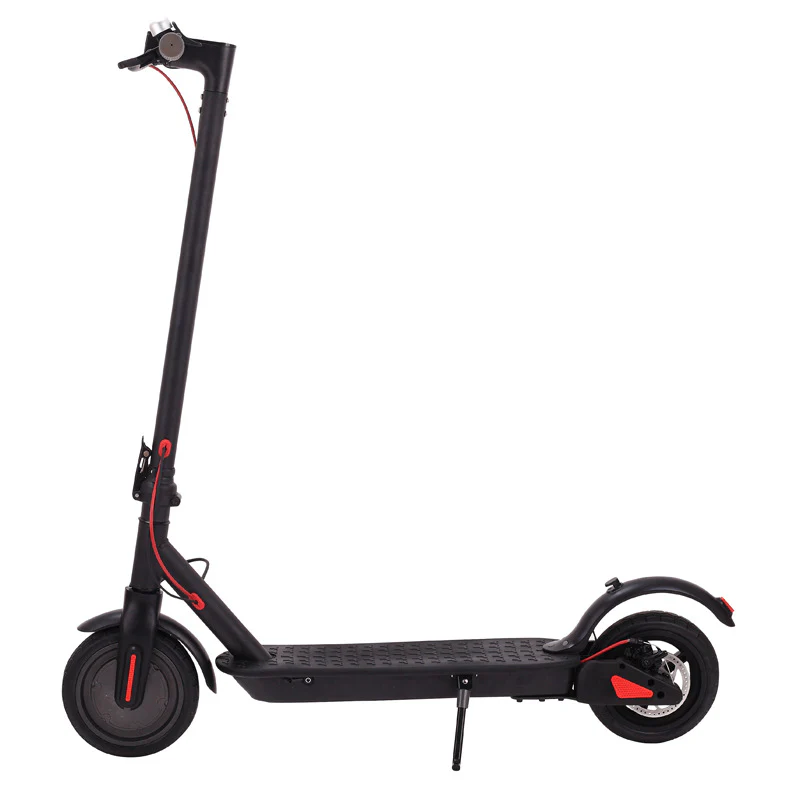
Entry Level Versus. Middle-range: What are you actually spending money on?
| Feature | Entry-Level | Mid-Range | Executive |
| Price Range | $150–$500 | $500–$1,000 | Over $1,000 |
| Range | 8–20 miles | 20–40 miles | ___ |
| Suspension | ___ | Common (Front & Rear) | ___ |
| Battery | ___ | Bigger Capacity Battery | ___ |
| App Connectivity | Not Common | ___ | ___ |
| Rider Weight Limit | 220–265 lbs | ____ | ___ |
If you’ve got specifications that fall within the range that is standard or weight limitations, it might be worthwhile to invest a little more to get at the mid-point instead of purchasing 2.
Safety and Battery Care
The safety of battery cells demands the focus of many more than a glance. Recent headlines concerning the possibility of fire from poor-quality battery chargers have led to an issue that’s serious for anyone who is in the market and an ideal choice for those. Some simple ways to reduce the risk considerably:
- Use only the charger included with the Entry Level Electric Scooter. Don’t use a charger alternative that’s all-purpose.
- It is important to ensure that you’re not leaving your device in your home for the entire night, particularly with lesser-known or internationally-known brand names.
- Maintain the battery at a level between 20% and 80% at times when the Entry Level Electric Scooter will not be intended to be in use over a long period of time.
- Find Entry Level Electric Scooter that meet accepted battery safety standards (UL 2272 in the U.S., CE marking in the EU) for the purpose of creating an initial signal of top quality.
When on the roads, the distance to stop can be one of the things that people tend to overlook. Entry Level Electric Scooter with a single brake operate much faster than those fitted with brakes that have both electronic and mechanical.
Consider taking an examination prior to riding, or riding in proximity to pedestrians. Helmets must be worn at all times, even on the most basic of occasions, regardless of whether you reside in a place that requires wearing one.
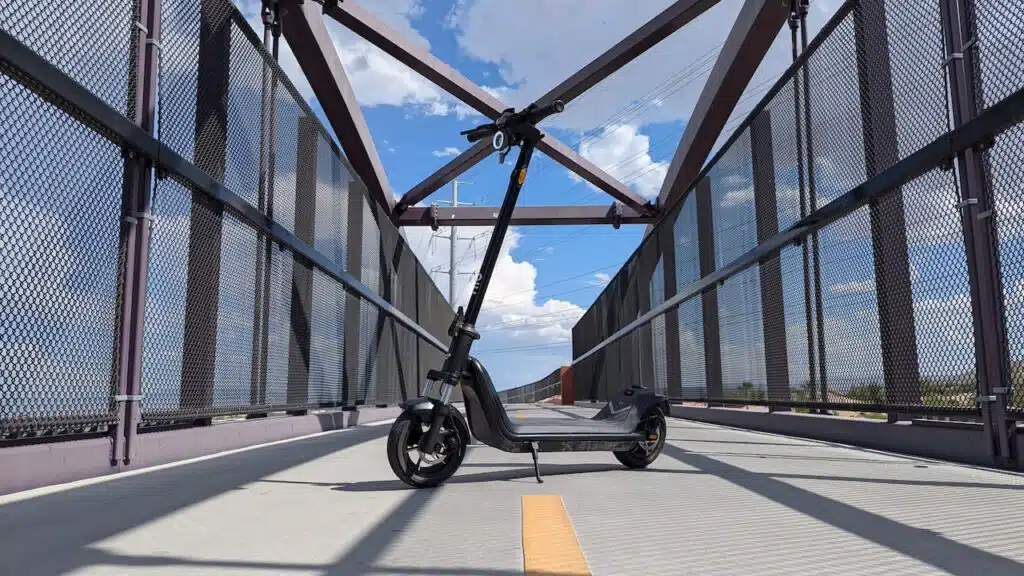
Common Mistakes First-Time Buyers Make
The decision to make is dependent on speed without taking into account the precision of the range or brake performance.
- Inattention is paid to the weight limits for the person riding. This could reduce the battery’s lifespan and also motor life in the longer term.
- Selecting good tires for the terrain could cause painful and uncomfortable travel.
- Not paying careful attention to the warranty policy. Some budget-friendly brands provide only 30 to 90 days of warranty.
- Don’t test the folding mechanism prior to purchasing because some hinges become unsteady with age.
Not paying careful attention to charging times can be a concern when you intend to ride your Entry Level Electric Scooter for two rides simultaneously.
Maintenance Basics
An occasional bit of maintenance may increase the longevity of the tiniest scooters.
- It’s advised to test the tire’s pressure every month if you own pneumatic tires.
- Your bike needs to be cleaned following a wet ride and should not be washed off.
- This mechanism by which the HTML0 folds needs to be tightened, along with the stem bolts, and must be tightened frequently because vibrations trigger equipment to lose its elasticity over time.
- The response of the brake must be monitored every week. Pay special attention to the brakes that have electronically controlled sensors.
When an Entry Level Scooter Isn’t the Right Fit
When you have an extended commute that is rough, steep, or located in an area that is susceptible to regular rain, the very first time you use the Entry Level Electric Scooter could prompt you to buy a second one in the first few weeks For these situations, an inexpensive Entry Level Electric Scooter with weather protection and a stronger battery could be your most cost-effective long-term transportation option.
Dock less Entry Level Electric Scooter sharing may seem appealing; however, these may or may not fit with your travel requirements. A standardEntry Level Electric Scooter would likely prove more suitable.
FAQs
1 Why would an entry-level electric vehicle make sense?
An average model costs $150-500 with an 8-20 mile range and maximum speeds between 15-19 mph.. It comes with an easily accessible list of choices as compared to models of the middle range.
2 Are electric scooters that are low-cost are worth the money?
When you’re in search of an efficient, smooth commute on terrain of less than five miles, you’ll be able to achieve this if you check the battery’s weight capacity, the battery’s warranty, and certificate instead of making the sole decision on price.
3 What is the duration of the battery of an electric scooter that is at its entry-level can be likely for to endure?
The cycle of charge, which usually ranges between 300-500 dollars, occurs over two to three years of uninterrupted use, but then there is a significant reduction in capacity.
4 Do you have the ability to ride on an electric scooter during the wet?
Rain is permitted in the event that the Entry Level Electric Scooter is fitted with an IPX4 rating or equivalent rating. Heavy rain or puddles should not be considered due to the fact that most standardEntry Level Electric Scooter aren’t waterproof.
5 What’s the minimum age you must be to operate an electric scooter?
There are different rules for each country as well as according to the cities and states. A few states mandate that an age of 16 is the minimum threshold Before purchasing a vehicle intended specifically for use by teens, be sure to inquire with the local transportation agency as to its current requirements and whether this car meets them..
6 Do Entry Level Electric Scooter need registration?
Most of the time, this happens even when your engine is below the local wattage limit, which generally is about 700W within the U.S. It is different from one region to the next, but it’s worth checking locally.
7 What’s the main difference between mid-range electronic scooters and the Entry Level Electric Scooter?
The models that fall in the middle usually have suspensions, larger batteries, greater range, greater weight capacity, and superior connectivity. They also have basic functions that allow for a lower price.
Are you thinking about upgrading from your initial Entry Level Electric Scooter purchase with more advanced models that could
8 potentially save money in the long term?
An inexpensive Entry Level Electric Scooter equipped with upgraded suspension could prove helpful in relieving travel-related discomfort during each journey.Are you considering upgrading from your initial Entry Level Electric Scooter purchase with more
9 advanced models to help save money over the long term?
Substituting your commute with an uncomfortable Entry Level Electric Scooter could prove more taxing than expected, yet investing in an economical model with enhanced suspension could prove immensely useful for alleviating discomfort on each journey.
Conclusion
A Entry Level Electric Scooter with a low cost could be a good choice for you if your commute isn’t much longer, or your budget is under $500 and you’re searching for the most efficient method of testing the Entry Level Electric Scooter that are an appropriate fit for your needs and your lifestyle.
Find out what the distinction is between range and speed with respect to the distance you travel, and then compare your weight to the capacities claimed, verifying that you’re within the guidelines that apply to your location, as well as putting what you anticipate from your brakes and warranties to the speed. If you adhere to this guideline, then you’ll own the perfect Entry Level Electric Scooter for everyday use, in addition to being more economical.
These information about electric-scooter-with-seat Screen are gathered from different surveys, medical tests and tech giants like Techradar . Our top priority is to provide you valuable information about floor rising projector screens.
For More Details About Different Projectors Click Here