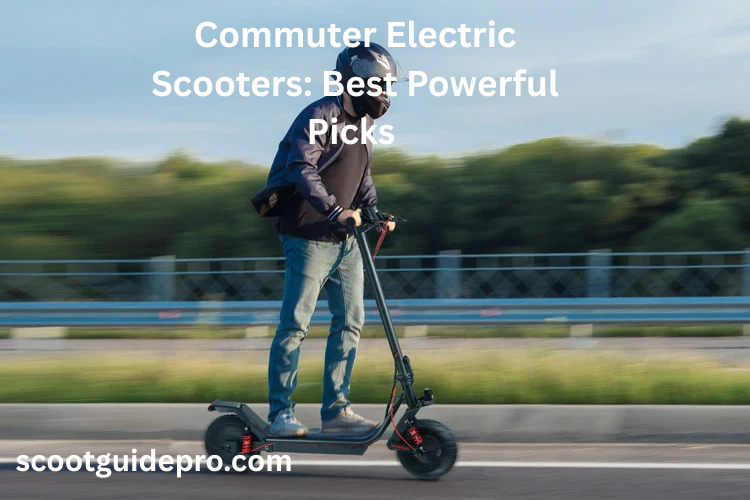
Most people shopping for a Commuter Electric Scooters start with top speed and a claimed range number. The scooters that disappoint are rarely slow. They are too heavy for the stairs, too short on range for the winter commute, or sold without the safety certification that matters most.
This guide walks through the decisions in the order that actually matters: where you can legally ride, how far you really need to go, what you can carry, and what’s safe to charge in your home or office.
What Is a Commuter Electric Scooter?
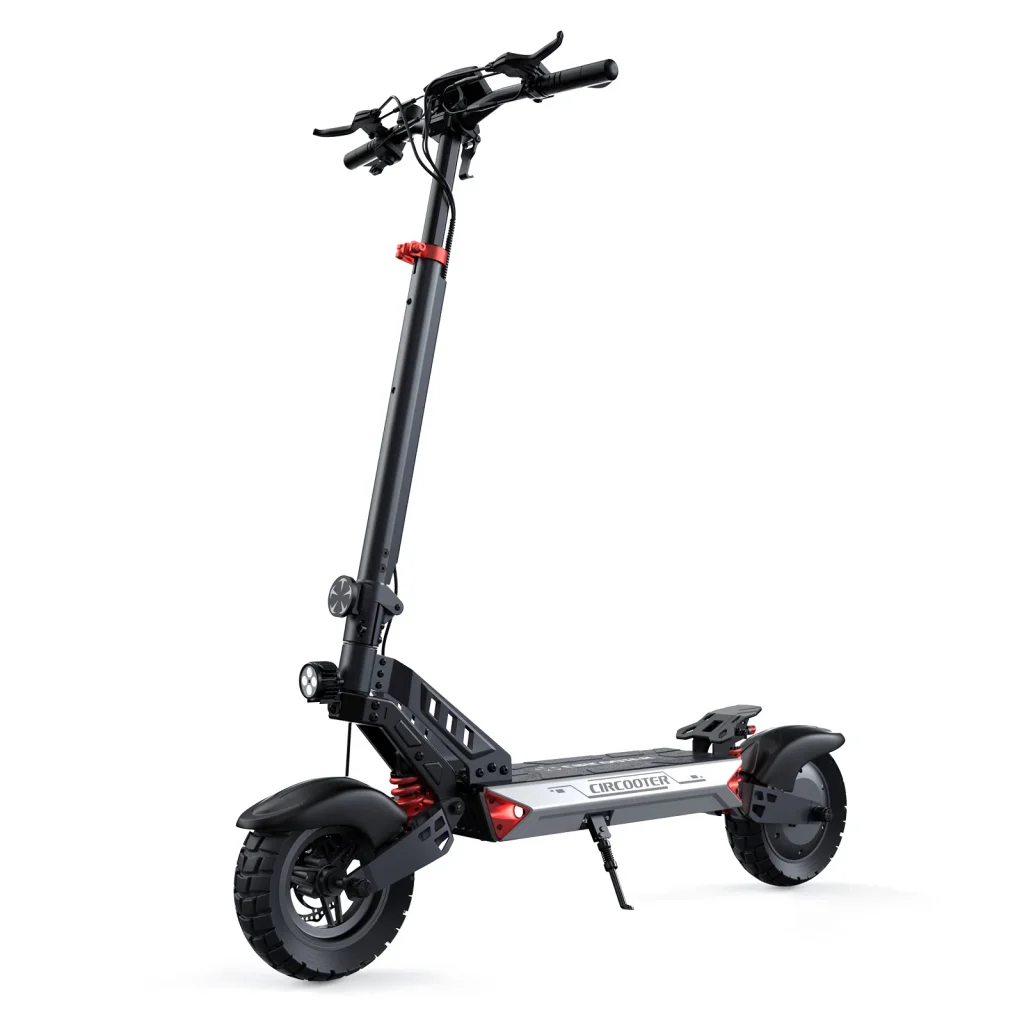
A Commuter Electric Scooters is a foldable, battery-powered stand-up Commuter Electric Scooters built for short daily trips, usually between home, work, and a transit stop. It uses a hub motor and a lithium-ion battery pack, and most models fold for storage or public transport.
You’ll also see it called an e-scooter, Commuter Electric Scooters, or personal electric vehicle (PEV). It belongs to the wider micromobility family alongside e-bikes and shared rental Commuter Electric Scooters.
One naming trap: in India and parts of Southeast Asia, “Commuter Electric Scooters usually means a moped-style vehicle with a seat, registration, and often a licence. This guide covers the stand-up kick-scooter type.
Who Commuter Electric Scooters Suit (and Who Should Skip Them)
Commuter Electric Scooters shine on trips of roughly 2 to 10 miles where you have bike lanes or low-speed streets, and somewhere secure to park or carry the Commuter Electric Scooters at both ends.
| Situation | Fit |
| Last mile from a train or bus | Excellent, if the scooter is light |
| 3 to 8 mile city commute | Excellent |
| Campus or business park | Excellent |
| Steep hills every day | Good with a dual-motor or higher-wattage model |
| Long suburban trips on fast roads | Poor; an e-bike or transit fits better |
| A city or country where private use is banned | Not an option |
If your route includes a flight of stairs or a crowded commuter train, weight will matter more than anything else on the spec sheet.
How a Commuter Scooter Works
Pressing the throttle sends power from the battery to the controller, which drives the hub motor in the wheel. A battery management system (BMS) watches cell voltage, current, and temperature to prevent overcharging and overheating.
Three numbers on the spec sheet tell you most of what you need:
- Motor power (watts): Higher wattage helps on hills and with heavier riders.
- Battery capacity (Wh): The best single predictor of range. Volts × amp-hours gives you watt-hours.
- Weight (lb or kg): Decides whether the Commuter Electric Scooters is carryable.
Braking varies by model: disc brakes, drum brakes, regenerative electronic braking, or a mix. Two independent braking systems are the safer setup for city traffic.
Types and Variants
By weight class
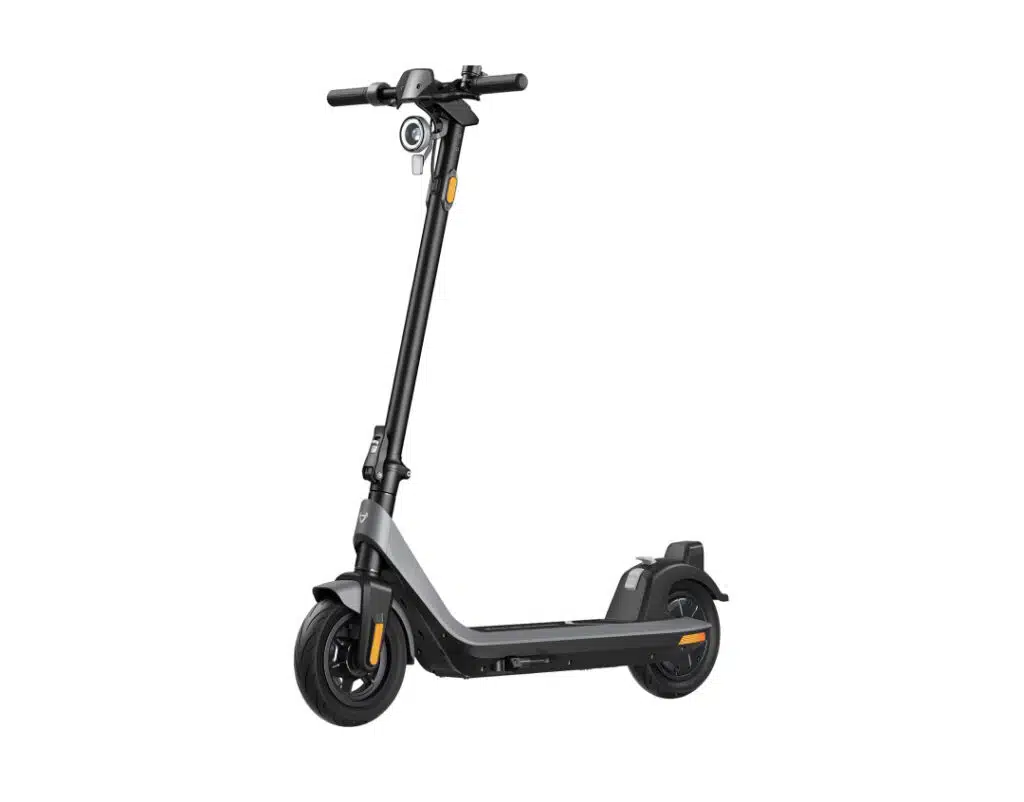
Commuter models in 2026 roundups range from about 27 to 65 lb, and “foldable” doesn’t mean “easy to carry.”
| Class | Typical weight | Best for | Trade-off |
| Ultralight | ~25–35 lb | Stairs, trains, small flats | Smaller battery, firmer ride |
| Mid-weight | ~35–50 lb | Most daily commutes | A compromise on both |
| Heavy-duty | 50–65+ lb | Long range, hills, rough roads | Hard to lift; usually costs more |
By motor setup
A single motor suits flat routes and keeps weight and cost down. Dual-motor or higher-wattage designs help on steep grades, which matters in hilly cities such as San Francisco, Seattle, or Pittsburgh.
By tires and suspension
| Feature | Upside | Downside |
| Pneumatic (air) tires | Best grip and comfort | Can puncture |
| Tubeless pneumatic | Slower leaks | Harder to repair at the roadside |
| Solid / honeycomb tires | No flats | Harsher ride |
| Dual or hydraulic suspension | Smooths potholes and cracked pavement | More weight and cost |
If your streets are rough, tires and suspension affect your daily comfort more than extra top speed does.
Seated and swappable-battery models
Some Commuter Electric Scooters add a seat or a removable battery. Swappable packs can extend your day or make charging easier, but seated designs may be classed differently by local law, so check before you buy.
How Far Will It Really Go?
Manufacturers publish maximum range under ideal conditions: a light rider, flat ground, mild weather, and steady speed. Real commutes include stop-start traffic, hills, headwinds, and cold mornings.
As a rule of thumb, expect roughly 60 to 80 percent of the claimed range in everyday riding. Battery wear shaves off more over the years.
To find the range you need:
- Measure the one-way distance.
- Double it if you can’t charge at work.
- Divide by 0.7 to get the minimum claimed range.
- Add a margin for cold weather, hills, and ageing.
Example: A 6-mile commute each way with no charger at work is 12 miles per day. Divided by 0.7, that’s about 17 miles of claimed range as a bare minimum. A scooter claiming 25 miles gives you breathing room.
Rider weight, tire pressure, temperature, and speed all change the result. Riding in a lower power mode is the easiest way to stretch a battery.
A Five-Step Framework for Choosing
Work through these filters in order and stop when one eliminates a model.
- Legality: Check your country, state, and city rules on speed, wattage, age, and where you can ride.
- Route: Note distance, hills, surface quality, and whether you can charge at work.
- Carry: Count the stairs, lifts, and train transfers. Choose a weight you can lift comfortably.
- Safety: Look for full-device UL 2272 certification, a certified battery, good brakes, bright lights, and a suitable water-resistance rating.
- Total cost: Add the helmet, lock, spare parts, and an eventual battery replacement to the sticker price.
Models in current roundups tend to fall into recognisable groups. Long-range comfort Commuter Electric Scooters such as the Segway Ninebot Max series, ultralight swappable-battery designs such as the Levy Plus, value-focused options such as the NIU KQi3 line, budget lines from Gotrax and Hiboy, hill-oriented models such as the Segway ZT3 Pro, and heavy-duty commuters such as the NAVEE GT3/ST3 series all serve different riders. Many “best of” lists come from brands or retailers, so verify specs on the manufacturer’s page and in independent tests.
Battery Safety and Certification
Lithium-ion battery fires are the biggest safety concern with any Commuter Electric Scooters, and they usually trace back to poor-quality packs, bad chargers, or damaged or modified batteries.
What the UL numbers mean
- UL 2272: the standard for the electrical system of personal e-mobility devices, covering the battery, charger, and drive components working together.
- UL 2271: the standard for the battery pack itself.
- UL 2849: the equivalent system standard for e-bikes.
New York City, under battery-safety legislation passed in 2023, treats UL 2272 as the device standard and UL 2271 as the battery standard. It also requires certification details on online product listings.
“Tested to” is not “certified”
A listing that says a Commuter Electric Scooters was “tested to UL 2272” isn’t the same as full certification. Look for the certification mark, the name of the certifying organisation, and a file number for the exact model you’re buying.
Charging rules worth following
- Use the original charger or an approved replacement.
- Don’t charge unattended, overnight in a bedroom, or near exits.
- Never charge on a bed or sofa.
- Stop using a battery that swells, smells, or runs unusually hot.
- Don’t open or modify the pack.
Water resistance
An IP rating tells you how well the Commuter Electric Scooters resists dust and water. Rain riding also needs slower speeds, earlier braking, and care on wet metal and road paint.
Laws Around the World
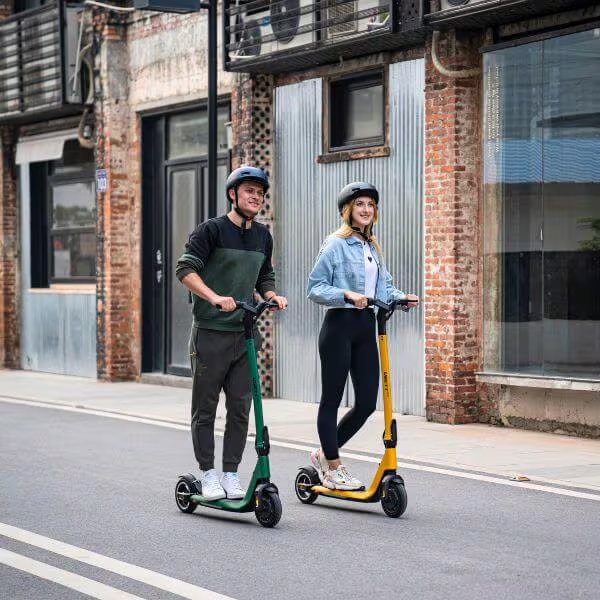
Rules vary by country, state, and often by city, and they change frequently. Treat this table as a starting point and check your local transport authority before you ride.
| Region | What to know |
| United States | No state bans scooters outright. Speed caps of 15–20 mph, helmet rules based on age, and local ordinances are common. |
| United Kingdom | Privately owned e-scooters are illegal on public land (GOV.UK); rental trial schemes are separate. |
| Germany | Legal under the eKFV regulation. An insurance sticker is required and the minimum age is 14. |
| Ireland | Legal since 20 May 2024, with limits of 400 W, 20 km/h, and 25 kg. Minimum age is 16. |
| Belgium | Maximum design speed is 25 km/h. From 1 September 2026, helmets are compulsory for scooters capable of more than 20 km/h. |
| Canada | No federal law. Provinces and cities set the rules, with some running pilot programmes. |
| Australia | Set state by state. New South Wales currently bans private use, while Victoria legalised it permanently in October 2024. |
Where private ownership is restricted, rental Commuter Electric Scooters from operators such as Lime may be the only legal option. Helmet laws vary widely, but riding without one is a risk everywhere.
What Do Commuter Electric Scooters Cost?
Prices vary by region and change often, so think in tiers rather than fixed numbers.
| Tier | What you typically get |
| Entry | Smaller battery, basic brakes, fewer comfort features |
| Mid-range | Larger battery, better tires, brighter lights, app features |
| Premium / dual motor | Suspension, strong hill performance, long range, higher weight |
The sticker price is only part of the cost. Budget for a helmet, a quality lock, lights, tire and brake wear, and eventually a replacement battery, which is the main long-term expense. Electricity per charge is small compared with fuel.
Compare the total over 12 to 24 months against what you spend now on fares, fuel, and parking. Also check whether your home or renter’s insurance covers theft or liability. Many places don’t require separate insurance for a privately owned Commuter Electric Scooters, but some, such as Germany, do.
Scooter or Something Else?
| Option | Better when | Worse when |
| E-bike | Longer trips, hills, carrying cargo | Tight storage, lots of stairs |
| Regular bike | You want exercise and low cost | Hills, hot weather, formal dress |
| Folding e-bike | You want range plus transit-friendliness | You need the lightest option |
| Shared / rental scooter | You ride occasionally | You ride daily |
| Public transit | Long, direct routes | The “last mile” gaps |
| Electric moped | You need higher speeds | Licensing and registration are a burden |
Commuter Scooters in the Workplace
Commuter Electric Scooters aren’t only a personal purchase. Employers and campuses have used them to close the gap between transit stops and offices.
Examples include corporate-campus fleets such as the one Veo Enterprise runs for NASA, Google’s Commuter Electric Scooters subscription reimbursement programme with Unagi, and micromobility funds that Edenred added to employer commuter benefits. USPS has added Commuter Electric Scooters partner discounts to its commuter benefits, and Deutsche Telekom has used Commuter Electric Scooters as service vehicles in Germany since 2022.
Organisations weighing a programme usually ask the same questions:
- Liability and insurance: Who is responsible for injuries and damage?
- Charging and storage: Where can batteries safely charge, and does the building allow it?
- Certification: Are all devices UL 2272 and UL 2271 certified, or the local equivalent?
- Fleet uptime and maintenance: Who services Commuter Electric Scooters, and how fast?
- Buy, lease, subscribe, or use a shared fleet: What is the cost per ride over time?
- Rider rules: Helmets, training, and where Commuter Electric Scooters may be ridden on site.
Some benefit programmes only allow post-tax funding for micromobility, so employers should confirm the tax treatment in their country.
Maintenance, Storage, and Theft
A few minutes a week keeps a Commuter Electric Scooters reliable.
- Check tire pressure before rides.
- Test both brakes and the folding latch.
- Wipe the Commuter Electric Scooters dry and keep the charging port clean.
- Tighten bolts monthly.
- Store at moderate temperatures, away from heaters and direct summer sun.
For theft, use a quality U-lock or folding lock, and carry the Commuter Electric Scooters inside whenever you can. A lighter model makes that realistic.
If you need servicing, look for an authorised repair centre, a local e-mobility or Commuter Electric Scooters shop, or the manufacturer’s service network. Checking warranty terms and spare-part availability before you buy saves headaches later.
Common Mistakes
- Buying on top speed and maximum range alone.
- Ignoring weight until the first staircase.
- Accepting “tested to” instead of certified.
- Using a non-original charger.
- Riding on pavements where it’s illegal.
- Skipping a helmet on “short trips.”
- Leaving the scooter outside with a flimsy lock.
- Riding in heavy rain without a suitable IP rating.
Frequently Asked Questions
1 What is the best commuter electric scooter?
It depends on your route. Long-range comfort models suit longer rides, ultralight models suit stairs and trains, and dual-motor models suit steep hills. Work through the five-step framework above before comparing brands.
2 How far can a commuter electric scooter go on one charge?
Listings show anywhere from the mid-teens to over 40 miles. In daily use, expect about 60 to 80 percent of the claimed figure, depending on rider weight, hills, temperature, and speed.
3 How fast do commuter electric scooters go?
Most reach about 15 to 25 mph (24 to 40 km/h), with performance models going higher. Local law often caps the legal speed lower than the scooter can manage.
4 Are electric scooters legal for commuting?
In the United States, generally yes, with state and city rules on speed, age, and helmets. Private ownership is restricted or banned in some places, such as the UK on public land and New South Wales in Australia.
5 Do I need a licence, insurance, or a helmet?
A licence is usually not required for stand-up scooters in the US, but rules vary by country. Insurance is mandatory in some places, such as Germany, and optional in others. Helmet rules range from universal to age-based to none, but wearing one is strongly advised.
6 Is an electric scooter or an e-bike better for commuting?
E-bikes handle longer trips, hills, and cargo better. Scooters are more compact for stairs, offices, and public transport.
7 Can I ride a commuter scooter in the rain?
Only if the scooter has a suitable IP rating, and then with lower speeds and earlier braking. Check the manual, since many models are only splash-resistant.
8 How long does a scooter battery last, and is it safe to charge indoors?
Batteries lose capacity gradually with charge cycles, heat, and age, so replacement is the main long-term cost. Charging indoors is reasonable with the original charger and a certified battery, but never leave it unattended or near exits.
9 Can I take a commuter scooter on a train or bus?
Many operators allow folded scooters, but policies differ and some restrict lithium batteries. Check with your transit authority first. A lighter model makes carrying much easier.
Conclusion
The right commuter electric scooter is the one that fits your route, your stairs, and your local law, not the one with the biggest numbers on the box. Start with legality, size your range using the 60 to 80 percent rule, pick a weight you can actually carry, and insist on verifiable UL certification for both the device and its battery.
Then budget for a good helmet and lock, and charge safely. If scooters turn out not to suit your situation, an e-bike, a folding bike, or a rental scooter may be the better answer.
These information about electric-scooter-with-seat Screen are gathered from different surveys, medical tests and tech giants like Techradar . Our top priority is to provide you valuable information about floor rising projector screens.
For More Details About Different Projectors Click Here