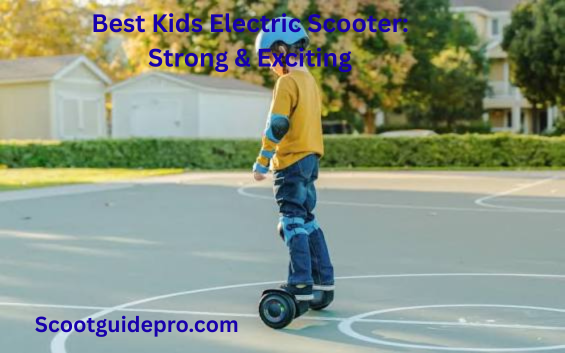
Select the Best Kids Electric Scooter according to weight, age, and safety —also certification, region-by-region pricing, and regulations.
Best Kids Electric Scooter: A Parent’s Buying Framework for 2026
The Best Kids Electric Scooter doesn’t just mean picking an appropriate name. It’s about coordinating a device equipped with an engine, battery, and a real speed for a child whose equilibrium, judgement, as well as body, is fluctuating from month to month.
A majority of guides to buying start by presenting reviews for this model first, then another, and ranked according to how they perform in a test. It’s helpful, but they don’t address the main question that parents really want to know first: are these appropriate for my child given their weight and age currently? This guide starts from there, but then works towards brands, prices, and legal aspects in accordance with the regions.
Answer in a snap: The Best Kids Electric Scooter have a top speed of between 8 and 15 mph, and also a weight limitation according to the size of your child, and are backed by a recognized safety certificate (ASTM F2641 as well as CPSC certification within the US, CE plus UL 2272 globally) as well as an adjustable speed lock for parents. All other aspects — brand, cost, or brand- are secondary to these four elements.
What Counts as a Kids Electric Scooter
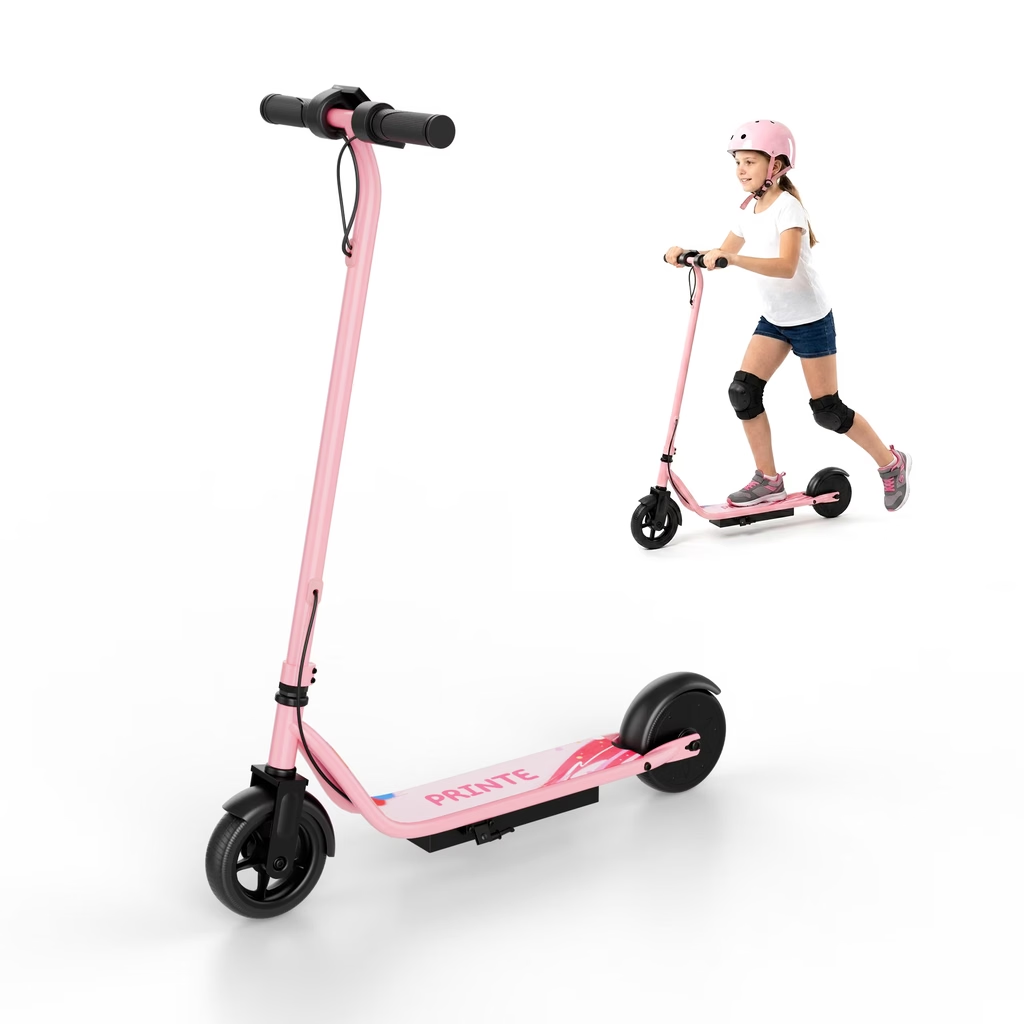
The Best Kids Electric Scooter is a stand-up, battery-powered bike that comes with a lower top speed, lower weight limit, and shorter frame as compared to an adult version. It’s also known as the youth Best Kids Electric Scooter a motorized one designed for Best Kids Electric Scooter powered by batteries for children- similar to the category but with distinct marketing terminology.
The main distinction is between the two types of Best Kids Electric Scooter a kick Best Kids Electric Scooter (manual and push-powered; suitable at around age three) as well as the Best Kids Electric Scooter (throttle-powered; typically not advised prior to age eight). The two are often confused, which is a frequent mistake, particularly on listings for marketplaces in which the term “electric” gets attached loosely to goods that aren’t made or designed for kids.
Why the Age-Weight-Speed Match Matters More Than brand
An item that is “for kids” can still be inappropriate to your child’s size in the event that the speed limit, weight limit caps, or deck dimensions don’t correspond to their actual dimensions. Oversized sizes are one of the most important reasons behind buyer’s remorse, not because of any indication that the item was defective or isn’t functional, but because the product was not properly matched with the rider.
Here’s an example of a map that could be used to create your own map:
| Age Range | Typical Weight Limit | Typical Top Speed | Deck Height |
| 6–8 years | 44–66 lbs (20–30 kg) | 8–10 mph | 3.5–4 in |
| 8–12 years | 66–110 lbs (30–50 kg) | 10–13 mph | 4–4.5 in |
| 12–15 years | 100–150 lbs (45–68 kg) | 13–15 mph | 4.5–5 in |
| 15+ (teen/adult crossover) | 150–220 lbs (68–100 kg) | 15–19 mph | 5+ in |
A good rule of thumb is to ensure that your child’s weight stays under 80 percent of their suggested maximum. This allows room for expansion and ensures that braking is exactly where it needs to be. The Best Kids Electric Scooter that is overloaded is slower to stop, regardless of how good the brakes are.
Many manufacturers, and the majority of children’s safety guidelines, place the minimum age to ride a motorized scooter as about 8 with supervision. The youngest children will be best served with an Best Kids Electric Scooter initially because managing both brake and throttle control requires more time to react compared to balancing on its own.
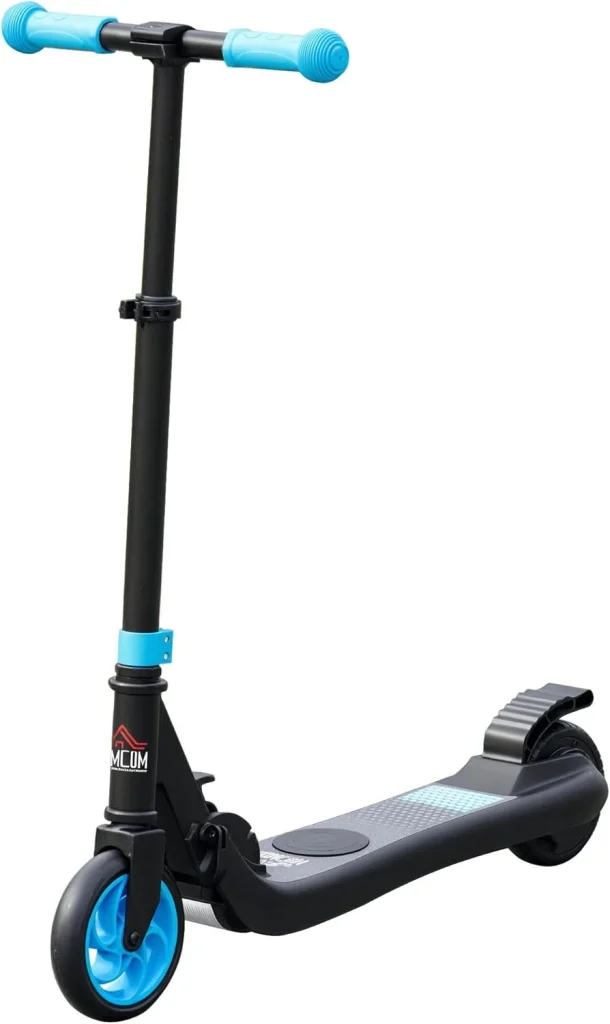
Safety Certification: The Signal That Actually Matters
The star ratings for marketing and advertising are different. Certification doesn’t. It’s the quickest method to distinguish a genuine, tested, and safe vehicle from a standard model — and is worth checking prior to comparing other products.
| Region | What to Look For | What It Verifies |
| United States | ASTM F2641 + CPSC compliance | Structural strength, brake performance, speed-related labeling/warnings |
| European Union | CE marking (+ EN71 if classified as a toy) | Electrical, mechanical, and general safety compliance |
| United Kingdom | UKCA mark | Post-Brexit equivalent of CE marking |
| Global (battery) | UL 2272 | Fire and electrical safety of the battery/electrical drive system |
Consider UL 2272 as a non-negotiable requirement. The test specifically tests the lithium-ion battery as well as the electrical system for overheating and potential fire hazards, which is the same fault mode that is portrayed frequently in safety alerts on the product type.
An important step that many buying guides don’t cover at all: check for recalls that are open before purchasing and not following. In March 2025, Segway recalled roughly 220,000 Ninebot Max G30P as well as G30LP kick Best Kids Electric Scooter that were sold in the US because the folding mechanism was discovered to be defective when in use, which caused the handlebars to break during a ride. The recall was triggered by 68 reported incidents of failure and injuries that ranged from fractures to bruises, as per the US Consumer Product Safety Commission. Segway’s solution was a no-cost maintenance kit to check and fix the locking mechanism, not a replacement.
The case can serve as an illustration of two aspects. Even the most popular brands can be subject to security concerns. Brand name recognition should not be a reason for not performing an exhaustive investigation. An easy search in the CPSC recall database (or equivalent databases within your own country) for the model’s number is less than a minute, and it is standard for purchases the item second-hand or brand new.
How Kids Electric Scooters Actually Work
The fundamental mechanics of the process can help to evaluate specifications instead of simply relying on marketing messages.
- Motor: Most kids’ models have a hub motor that is integrated into the rear or front wheel.
- Throttle: A twist or thumb throttle at the end of the handlebar regulates the acceleration. However, most children’s models are electronically limited in speed regardless of the force with which the throttle is squeezed.
- Braking: There is a chance of an electronic (regenerative) brake and a rear foot brake, as well as, more frequently, a hand-operated brake lever. Hand brakes usually provide quicker, safer, better-controlled stopping for children who have already been riding bikes.
- Speed lock: Numerous models for kids permit parents to restrict the speed at which they can ride using the app, key switch, or physical dial. If you’re a newbie, it is the most important option on the specification document.
- Mechanism for folding: Most Best Kids Electric Scooter fold into the stem to store them. With the Segway recall mentioned above, you should physically verify whether the lock that folds clicks solidly and isn’t loosened by gentle shaking before the first time your child rides or every time after.
Types of Kids Electric Scooters
| Type | Best For |
| Entry-level 3-wheel | Ages 6–8, beginners. Wider stance allows for greater balance. |
| Standard 2-wheel | Ages 8–12. Kids with prior kick-scooter experience. |
| Seated | Shorter outings for younger riders whose standing balance isn’t yet stable. |
| All-terrain / off-road | Ages 10+. Larger/knobbier tires for trails, yards, or rough terrain. |
| Teen/crossover | Ages 13+. Adult-resembling frame with a capped top speed. |
Comparing the Major Brands
Razor Segway/Ninebot GoTrax Razor, Segway/Ninebot, GoTrax Hiboy are the top contenders in this class, as they are all suited to a different type of buyer.
- Razor (E90 and E100 from the Power Core series) is the most popular beginning point — an excellent, simple option for the first Best Kids Electric Scooter . It is typically at the low-mid-price tier.
- Segway/Ninebot (Zing series and Best Kids Electric Scooter line) is a strong advocate of app-connected features that include parental speed lock, with a slightly higher price.
- GoTrax (GKS or GKX) is a popular budget-to-mid choice, frequently highly praised for combining the hand brake and the foot brake to provide more precise stopping.
- Hiboy (S2, S2, and S2 Lite) is in the same quality tier as GoTrax, generally well reviewed at the same price.
Brands that are smaller or less well-known (Jetson, Hover-1, SmooSat, Megawheels, and a lengthy tail of marketplace unbranded listings) could be very useful; however, this is where certification checks matter the most. Listings that are not branded will not reveal ASTM, CPSC, or UL testing in clear terms and, in some cases, even.
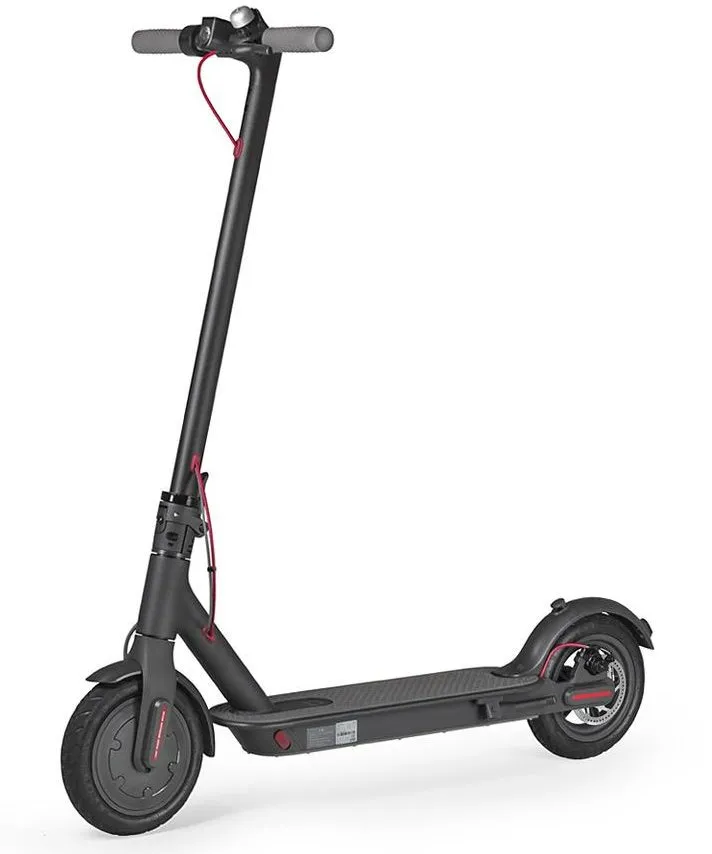
What You Should Actually Pay
| Tier | Typical Price (USD) | What You Get |
| Budget/entry | $100–$180 | Basic motor, no hand brake (typically foot brake only), shorter ride time |
| Mid-range | $180–$300 | Hand brake, parent-controlled speed lock, sturdier build quality |
| Premium/all-terrain | $300–$500+ | Larger tires, longer range, app connectivity, higher weight capacity |
The cost varies based on the area.US pricing generally falls within the upper range. UK prices are generally comparable after conversion, but taxes and shipping costs push up. Australian buyers generally pay an increase over US prices because of shipping and import costs, as well as EU pricing differing by country-level VAT rates. Consider these ranges as a way for sanity checks, not as fixed targets.
Where and How Kids Can Legally Ride
This is the portion that guides do not cover. The exact amount differs between countries:
- United States: It’s usually state-by-state. Certain states have minimum ages that require helmets or other protective gear for children on every motorized machine. Make sure you check the specific laws of your state.
- United Kingdom: The use of private Best Kids Electric Scooter on public roads is currently prohibited, except in government-approved rental trial schemes; a privately owned children’s Best Kids Electric Scooter , for instance, is designed for use on private land and not for public roads.
- European Union: Regulations are implemented at the member state level within a larger CE framework, and therefore the rules vary by country.
- Australia: Rules are state-specific, with certain states having minimum ages for riders and speeds for use of footpaths.
Checking local laws prior to buying avoids the dreadful scenario when you own a bike that your child cannot legally use in the area you intended to use it.
A Simple Buying Framework
- Measure your child’s current weight and height. It’s not a predicted size.
- Filter according to the weight limit. Keep your child’s weight under 80 percent of the limit.
- Validate that the certificate is valid (in the form of ASTM F2641/CPSC or CE/UL2272 as stated by the manufacturer.
- Look for recalls that are open regarding the model you purchased by visiting your country’s Product Safety database.
- Prioritize a parent speed lock, particularly for first-time children under the age of 12.
- Compare brake systems that include hand brakes designed for children with bicycle experience, and foot brakes designed especially for children or those who are first-time riders.
- Verify the local laws of the location you want to allow them to ride.
- Budget for equipment includes a registered helmet, knee/elbow pads, and helmet along with the Best Kids Electric Scooter , not as an add-on.
Common Mistakes to Avoid
- Buy one size up to extend the usable life of your Best Kids Electric Scooter , but it’s just unfit for long periods of time.
- The certification process is skipped since the listing appears familiar or is well-branded.
- Doing nothing to turn off the parental speed lock on the first Best Kids Electric Scooter of an inexperienced Best Kids Electric Scooter rider.
- In the assumption that charge time equals the time spent riding — most models require 4-6 hours in order to bill for 30-60 mins of ride.
- Considering helmets as an optional feature. The fact is, it’s not. What’s the longevity of the Best Kids Electric Scooter ?
FAQs
1 What is the best age for the electric motorbike?
The majority of manufacturers and guidelines recommend around age 8 or older to ride motorized Best Kids Electric Scooter with supervision.. This is because youngsters typically can’t react in time and manage the throttle and brake controls together. Manual Best Kids Electric Scooter are suitable at around the age of three.
2 Can electric vehicles be considered suitable for children?
They can be safe if the weight limit, certificate, and speed limits are compatible with the kid, as well as an approved helmet and pads are used regularly. Making sure there are no recalls open on the particular model prior to purchasing is an easy, but often overlooked security measure.
3 What’s the most suitable Best Kids Electric Scooter to use for a 10-year-old?
Look for a model designed for children between the ages of 8 and 12. age group, with a weight limit that’s comfortably over the weight of your child, a top speed between 10-13 mph, and the ability to lock your child’s speed. It’s not about the brand, but meeting these specifications.
4 What is the speed that kids’ electric scooters run?
Entry-level models for youngsters typically go between 8-10 mph. However, those for more experienced children (12plus) could reach speeds of 13-15 speed. Speed locks let you restrict this to a lower speed during the initial learning stage.
5 Do children need helmets to ride an electric motorbike?
Helmet laws vary according to the state and nation; however, regardless of what’s legally required, an approved bike helmet is regarded as an essential piece of safety equipment to be used with any motorized Best Kids Electric Scooter .
6 What is the max weight of an Best Kids Electric Scooter suitable for children?
Limits for weight vary generally from about 44 pounds (20 kg) on entry-level models to around 150 lbs (68 kg) in teen models and crossover models. Limiting yourself to less than 80 percent of the declared weight limit will ensure that the Best Kids Electric Scooter brakes are maintained.
7 Razor and Segway which is the best choice for children?
Razor tends to be the less expensive, easily accessible starting point, and Segway/Ninebot models typically include parental controls via apps for a greater cost. The best choice is dependent on whether the lock for parental speed is an important factor for you.
8 What is the cost of a kid’s electric scooter?
Budget models start at around $100 to $180, while mid-range models that have dual brakes and speed locks range from $180 to $300, and the most expensive all-terrain models are priced between $300 and $500. Regional prices vary depending on the country because of shipping and import costs.
Conclusion
The model that is ranked “best” on a review site may not be the right option for the child you’re looking to. The quality of the fit is determined by four factors that must be completed in the order of limits on weight, safety certificates, a parent-controlled speed lock, and confirmation that there is no open recall of the product. The brand or price should be evaluated only once the four checks are complete.
These information about electric-scooter-with-seat Screen are gathered from different surveys, medical tests and tech giants like Techradar . Our top priority is to provide you valuable information about floor rising projector screens.
For More Details About Different Projectors Click Here