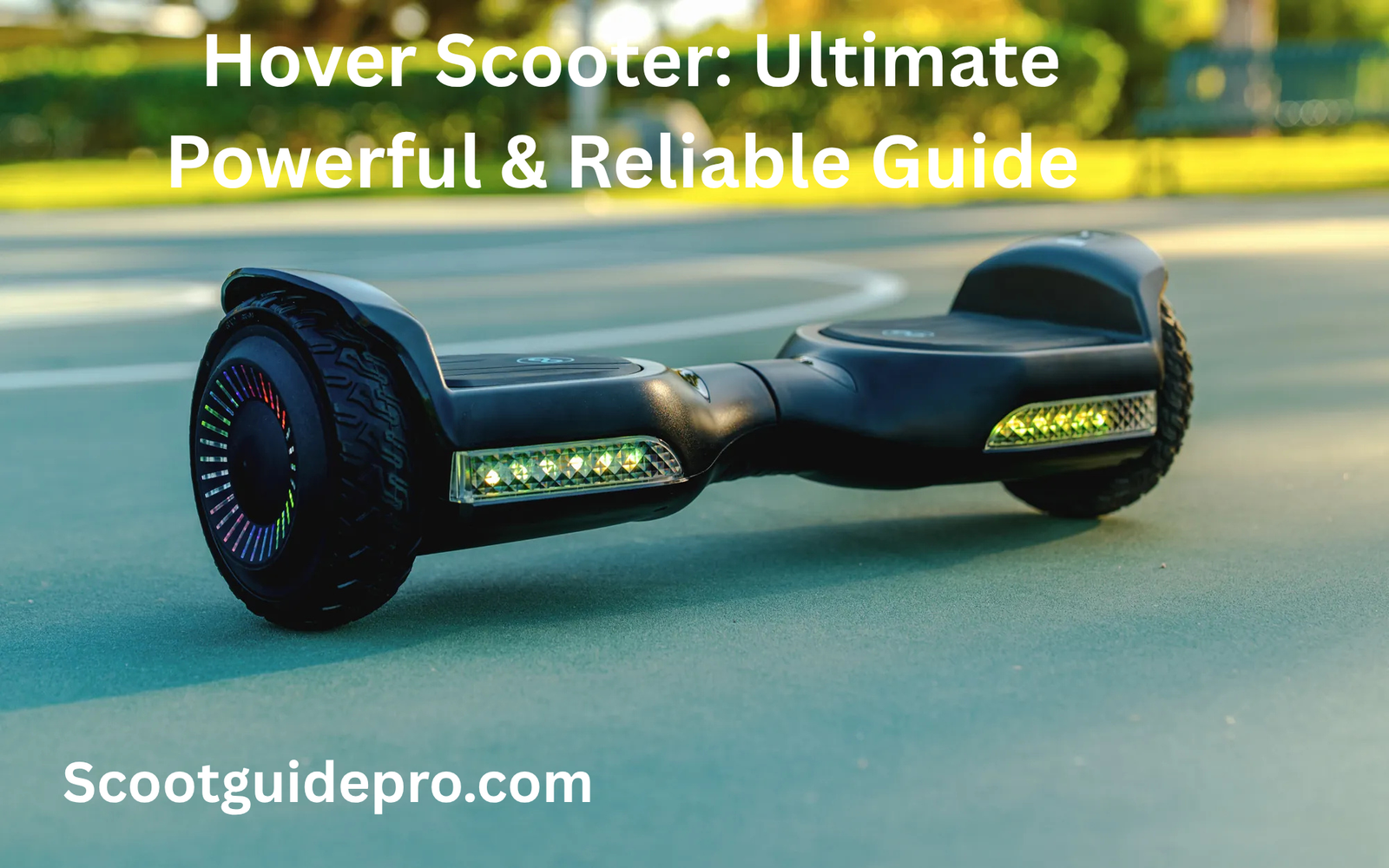
For an informative yet safe overview of Hover Scooter – their role, operation and how best to select an appropriate model according to use, terrain and budget considerations – read this detailed breakdown from experts on Hover Scooter.
A hover scooter, more frequently referred to as a “hover board” or self-balancing Hover Scooter is an electric vehicle with two wheels that uses internal gyroscopes in order to ensure you stay upright as you lean backward, forward, or from side to side to be able to move. There isn’t a hovering effect; its name was coined from early marketing in the year 2015 and has been the most commonly used word ever since.
If you’re looking for a new model currently, you’re likely considering three factors at the same time: whether it’s safe and legal in the area you live, and what models are worthwhile. This is the order that most people consider, and that’s the same order that our guide is following.
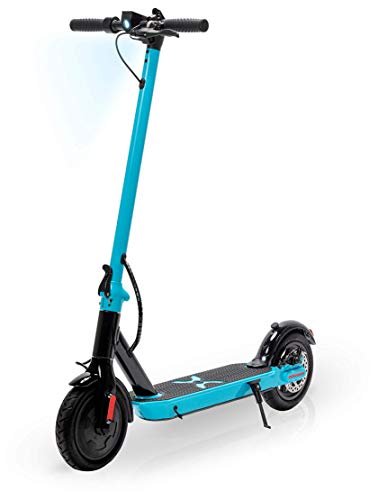
How a Hover Scooter Actually Works
Below the footpads, every wheel is powered by its own motor, with tilt sensors as well as a gyroscope that reads the position of your body hundreds of times a second. When you lean forward, the wheels rotate to catch you. This is interpreted as a forward movement. Reverse your lean to slow or reverse. Switch weight from one side while the wheels rotate at various rates, and this is why it is able to steer.
The procedure of riding when it is in use looks something like this:
1 Set your feet on top of the platform while the board is turned to a level and on.
2 The second foot should be brought on gradually, ensuring that your weight remains in the same place.
3 Then lean a bit forward in order to begin moving. Tiny movements can be a great way to go.
4 Move side-to-side gently to steer. Then lean towards the back, slowing or stopping.
5 Take a step back by stepping one step at a time, until you’ve reached a stop.
The majority of falls occur in the initial hour of riding. This is before that balance and lean instinct takes over. Practicing near a wall or with someone who is able to spot you for the initial 30 to 60 minutes decreases injury risk considerably — this factor is more than the specs of the box.
Why Battery Safety Should be Priority
Anyone researching Hover Scooter eventually encounters their biggest safety concern: the recent explosion and recalls of batteries around the globe in 2015 and 2016.This is precisely why security certifications are a top priority in this article instead of being found on a specification sheet.
The most relevant standard for the United States is UL 2272, which Underwriters Laboratories released. Contrary to the basic test for battery only, UL 2272 evaluates the entirety of the electrical drivetrain -including the battery pack, motor wires, and charging system as a single system. This is important because the majority of hoverboard-related fires don’t originate from defective cells on their own and are caused by mismatched components, malfunctioning charging circuits, or a corner cut in wires that a standard battery certification could not detect.
If you’re in Europe, in the European Union, the equivalent standard is CE certification that is accompanied by applicable IEC/EN electrical safety standards. Certain markets other than those of the US and EU aren’t yet able to obtain the official certification requirements for these products. This is something to consider when you’re purchasing or shipping to another country — devices that are safe to use in one nation can’t be automatically certified by the same standards elsewher.e.
Some safety rules apply all over the world, regardless of any certification.
- Be sure to only use the charger provided with your device; incompatible chargers for aftermarket devices may lead to extra heat production and should never remain connected for an extended period.
- WARNING! When leaving the charger on for any length of time, it could overheat and create extreme discomfort for users!
- Store it away and charge it at ambient temperature.
- Do not charge it immediately when you ride in cold or extreme temperatures.
Take immediate steps if swelling, unusual heat or an unpleasant burning odor appears. Is a Hover Scooter Legal Where You Live?
This is among the most commonly asked questions concerning the product. The truthful answer is that it is contingent upon where you live, and the regulations vary across a single country.
United States: Street and sidewalk use is controlled at the city or state level, similar to skateboard laws. Certain cities allow you to use them without restrictions, whereas others prohibit them in specific areas. There’s not a universal answer.
United Kingdom and EU: Several countries classify hoverboards as similar to other personal transportation devices powered by electricity, which may limit road use and even public pavement use according to local traffic laws.
Australia: Rules differ by state, with some using them as motor vehicles, which require registration only in specific circumstances.
Travel by air (global): This is the only area in which there is a consistent answer. Many airlines, based on FAA and TSA instructions in the US and similar regulations elsewhere, are against hoverboards in both check-in and carry-on luggage due to the fire danger posed by lithium-ion batteries when stored in a hold under pressure.
It’s a good idea to check the specific area or city before you decide to walk on sidewalks, or to go to school, as well as assuming you are not able to take a flight unless an airline specifically states otherwise.
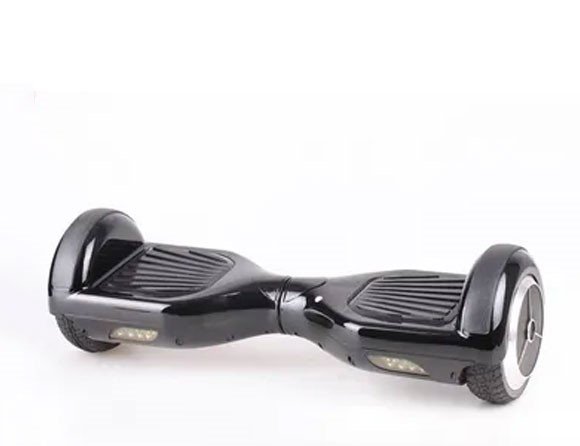
Types of Hover Scooter boards
Not every hoverboard is designed specifically for the exact rider or the same terrain. This is the reason why many customers choose the wrong model and then end up dissatisfied.
| Type | What Sets It Apart | Best Suited For |
| Standard | 6.5″–8″ wheels with sleek surface designs | Casual outdoor/sidewalk riders |
| All-terrain/off-road | Larger tires, higher clearance for grass, gravel, and uneven pathways | Riders needing rougher-terrain capability |
| Hover kart combo | Hoverboard paired with an attached seated frame | Children, seated riders, family use |
| App-connected/smart | Lighting, Bluetooth, LEDs, app-based speed limits | Tech-focused buyers, gifts, parental control needs |
If you’re purchasing for pavement and indoor use only, the standard size board will be adequate. If you’re thinking of backyard dirt trails or grass and trails, invest in wheels that are all-terrain -the standard boards can be a real struggle and get worn out quicker on rough terrain.
Who Should (and Shouldn’t) Ride One
Many manufacturers place the minimum age at 8, but many suggest 13or older for models that do not have an integrated speed limiter. Users with balance problems, as well as inner-ear issues or significant limitations in mobility, must be extra cautious, as the whole system relies on active balance adjustment.
App-connected boards that have adjustable speed limits are well worth the extra cost, particularly for children or those who are first-time riders, because they permit parents to limit the speed of their children as the child gains confidence.
In the event that it’s truly a bad situation, such as staircases, icy or wet surfaces, steep inclines, or any other area that is close to the road. They’re not edge cases; they’re among the most frequent situations that lead to injuries reported.
What to Actually Look for Before Buying
Do not read the sales copy, and go through the following in sequence:
- Certification first. Confirm UL 2272 (US) or CE certification with EN/IEC certification (EU) prior to anything else. If a list doesn’t include any certification whatsoever, it’s undoubtedly a red flag and is not a neutral gap.
- Track wheels with ground. Smooth ground – 6.5 “- 8 “. Gravel, sand, or trailing trails are 8.5 “-10”.
- Make sure to check the weight limit with the actual weight of the rider, not just “up to” marketing numbers. Performance and battery life both diminish dramatically near the upper limit.
- Check the range of your device and not the claims of peak performance. Expect roughly 6-12 miles for each charge in actual usage, but less during colder weather or when using a more powerful rider.
- Take into consideration features with a speed limiter in the event of buying for children or for a first-time adult user.
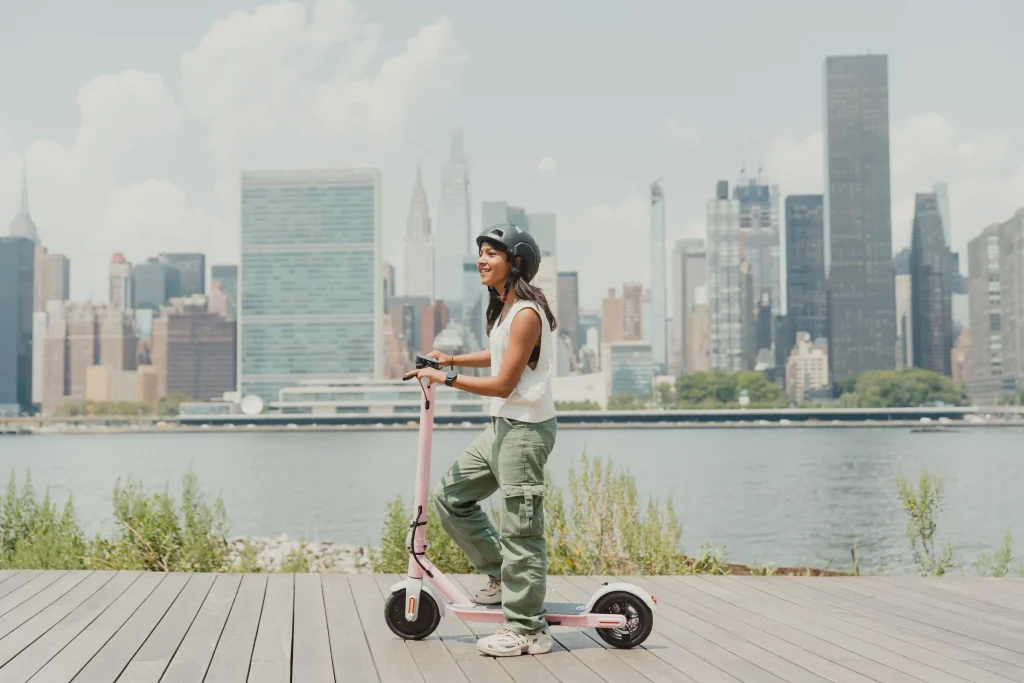
Hover board or Electric Scooter?
A key reason behind making such comparisons is often their similar yet distinct solutions for similar yet distinct issues.
| Factor | Hoverboard | Electric Scooter |
| Method of control | Weight shifting and balance, no handlebar | Handlebar with brake and throttle |
| Learning curve | Steeper at first, no handhold | Easier for most first-time riders |
| Typical top speed | 6–12 mph | 15+ mph for many models |
| Best for | Short indoor/backyard distances, recreation | Longer commutes, better control |
| Portability | Super compact, easy to fold away | Sometimes foldable, but usually larger |
If you’re looking for something that can be used to commute in real time but doesn’t require an inclination to learn, balance Hover Scooter are typically the ideal choice. If you’re looking for a lightweight, easy-to-maintain device that can be used for short distances for recreation and aren’t concerned about the steep learning curve that a hoverboard has, it can stand on its own.
What Hover Scooter Cost
The pricing tends to be divided into three quite consistent levels worldwide, even though conversion costs and import charges vary by nation.
| Tier | Typical Range (USD) | What You’re Getting |
| Budget | $100–$180 | Basic 6.5″ wheels, shorter range. Certification not guaranteed — check carefully |
| Mid-range | $180–$300 | UL 2272/CE certification, 8″ wheels, Bluetooth, longer battery life |
| Premium/off-road | $300–$500+ | 10″ all-terrain wheels, app controls, higher weight capacity |
Hover Scooter kart bundles (board with attached seat) usually add $150-$150 over the basic price of the board. If the “certified” board is priced significantly lower than the price of the basic tier, take it as an indication of danger, not a bargain. Certification testing is an actual cost, which shows through the price floor.
Common Mistakes Buyers Make
- One common misstep buyers make is purchasing uncertified boards through auction listings without first verifying whether it has either UL 2272 or CE certifications.
- It is assumed that sidewalk use is legal, without any need to check local regulations.
- Not heeding the weight limits is a quiet way to reduce the battery’s life as well as motor life.
- Avoid protective gear in the very first session of riding
- Charge the device for overnight use and leave it charging
Caring for Your Hover Scooter
Simple maintenance can go a long way to ensure safety and longevity. Clean the wheel as well as the housings for sensors after outside rides in order to keep dust from the system. Do not charge immediately following a ride in extremely cold or hot temperatures.Allow the battery to reach an ideal operating temperature before beginning any procedure on it. If your model supports firmware updates via apps, ensure they stay updated, as some manufacturers provide safety updates this way.
Alternative Solutions Worth Considerating
If the Hover Scooter board you’re looking at doesn’t match your requirements, a few of your closest relatives have similar features:
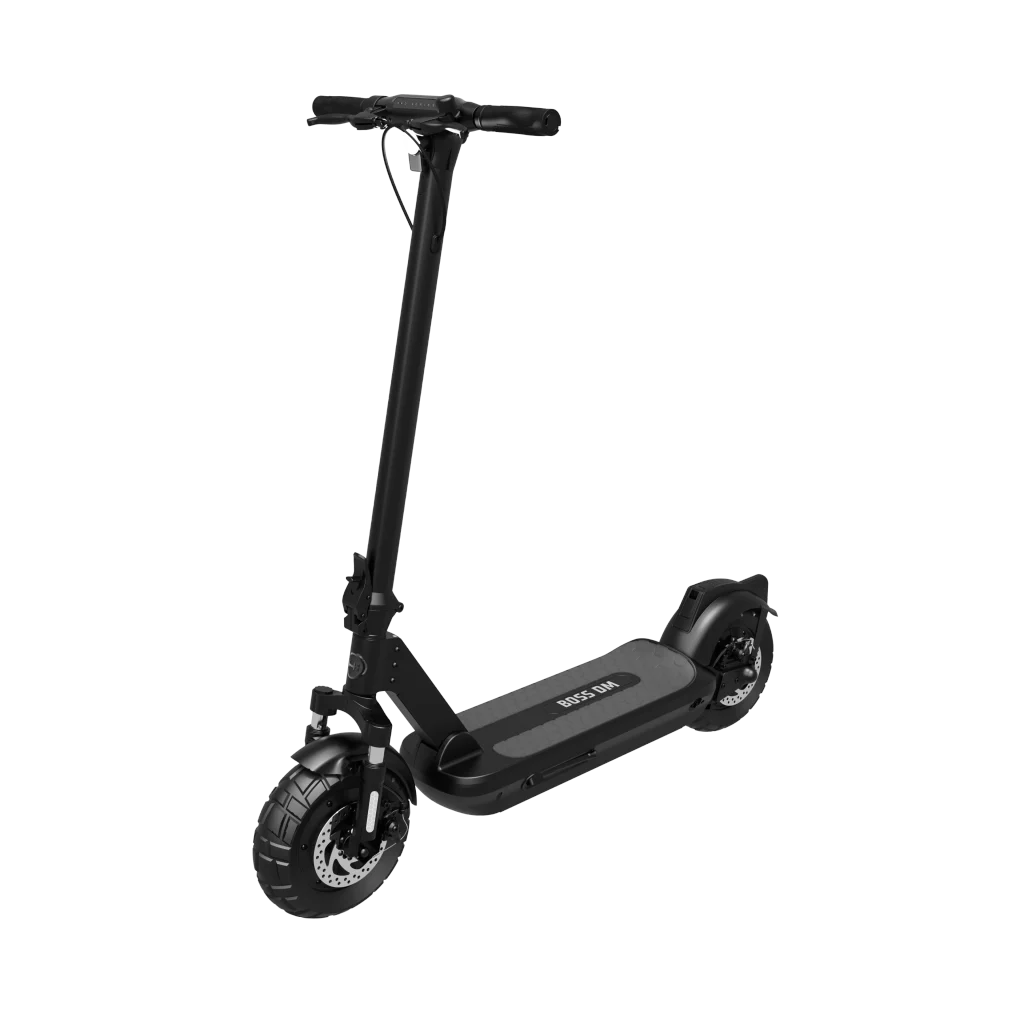
- A kick Hover Scooter with an electric motor is ideal for longer-distance trips and greater speed, and with a bar to ensure security.
- Skateboard with an electric motor with more power and control for riders who are comfortable using a remote with wires
- Unicycle that self-balances, similar to the balance mechanics of gyroscopes, using a single-wheel design
- Classic kick Hover Scooter with no batteries and no charging. The lowest price and the simplest choice
Frequently Asked Questions
1 Are Hover Scooter boards a safety risk when used for transportation? security concerns when used for transport for purposes?
In general, yes. However, the rules for sidewalks, streets, and public areas differ by nation and by city. Before stepping foot onto the streets of public It is recommended that you read the rules of the area. Do not make any assumptions about the rules.
2 What price does an elite Hover Scooter board?
Most reliable and well-known Hover Scooter are typically priced between $200-$300. The more advanced off-road Hover Scooter with added options can cost 500 or greater. Most of the cheapest models can be bought for less than $80 however, they require special attention for safety.
3 What is the ideal age for a Hover Scooter?
Most manufacturers set the minimum age requirement at eight, though some suggest 13+ for full-speed models with application-dependent speed restrictions.
4 Are Hover Scooter allowed on airplanes as carry-on or checked baggage?
Almost none are allowed in the cargo hold, and the majority of airlines ban them as both carry-on and checked baggage.
5 How long can my battery last before it needs recharged?
Most models offer 6-12 miles on one charge with full charges taking approximately 2-4 hours to replenish its capacity; performance may decrease depending on conditions or rider weight; however.
6 Are Hover Scooter still able to ignite like earlier models?
Properly certified boards (UL 2272 in the US, CE marking with EN/IEC certification for Europe) are much more secure than devices that were not certified and were responsible for the recalls of 2015-2016. The biggest danger today is with fake items or products that aren’t approved.
7 What is the difference between Hover Scooter boards and electric scooters?
It doesn’t have any handlebars and is dependent on balance and weight shifting. The Hover Scooter has handlebars, which are able to throttle and brake; however, it can be operated at higher speeds and can be used for long-distance trips more effectively.
8 Does a hoverboard take on gravel or grass?
Only off-road models that have 8.5” or greater all-terrain wheels are able to handle grass and gravel quite effectively. The typical 6.5 “-8” Hover Scooter are designed to be smooth and flat and can be difficult to maneuver on uneven dirt.
Conclusion
Hover Scooter can be an enjoyable, low-maintenance method of covering short distances; however, the experience makes safety certification a mandatory first filter and not something you want to have. Check for UL 2272 and CE certification, align the dimensions of the wheel to where you’ll ride it, and check your local laws before taking your Hover Scooter for a ride in public, and then match the capacity for weight and speeds to suit the user. Make sure you’ve got these four points correct, and the Hover Scooter remainder (brand, color, and other features will depend on your personal taste.
These information about electric-scooter-with-seat Screen are gathered from different surveys, medical tests and tech giants like Techradar . Our top priority is to provide you valuable information about floor rising projector screens.
For More Details About Different Projectors Click Here